Mattresses 101 – Buying Guide – All You Need To Know explores options to consider when purchasing a mattress. Have you been tossing and turning all night or waking up with a sore back or neck in the morning? Is your mattress so worn that you roll toward the center? It could be the right time to purchase a mattress.
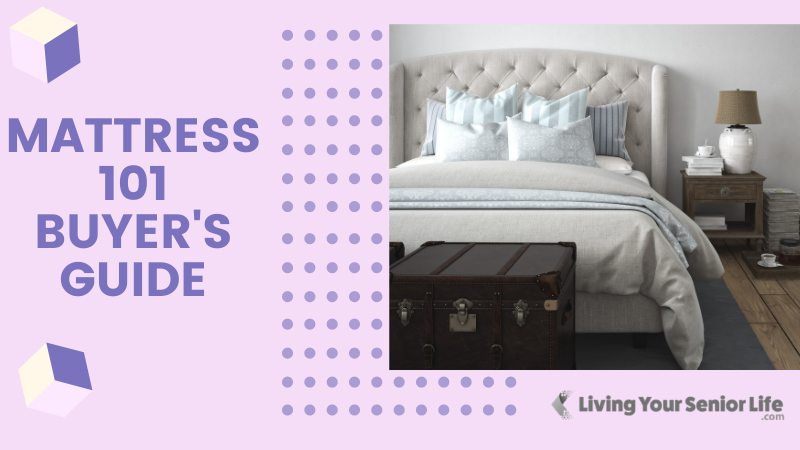
Making the right mattress purchase is a decision that you don’t want to take lightly. So before you purchase your mattress, you’ll want to consider some options. What type of mattress is the best for your sleeping position? Do you want a firmer mattress, or do you find a softer mattress gives you a more comfortable sleep? What is the recommended room size room for a particular size mattress? In reading this mattress guide, you’ll be exploring some of those options and, in the process, become a more informed consumer.
Mattress Types
With so many types of mattresses to choose from, it can make your head spin. Let’s take a look at some quick descriptions available.
Adjustable Mattress
Adjustable mattresses are used on adjustable bed frames, allowing for different sleeping positions.
Common positions are raising the upper body and/or the lower body.
This is the perfect mattress type if you like watching TV, using your laptop computer, eating in bed, or recovering from surgery.
To use an adjustable mattress for different sleeping positions, you will need a particular base or frame to adjust the mattress for you.
If you already have the adjustable base, you will want to be sure your new mattress is compatible with it to ensure the warranty isn’t affected.
Airbed Mattress
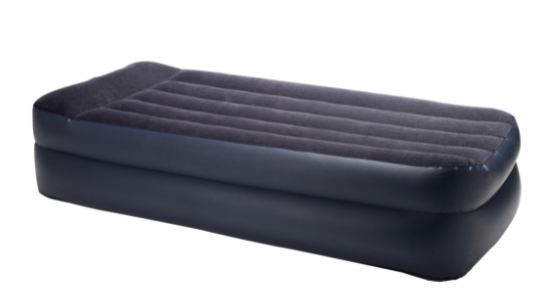
You may have heard about airbed mattresses called dial mattresses or perhaps adjustable air mattresses. Instead of coils or foam core, it uses air as the support mechanism.
You can adjust the firmness to your liking by using an electric pump to inflate. To have the option of adjusting both sides to different levels, look for a dual pump option.
Airbed mattresses don’t have the best support and wouldn’t be one I would use for long-term use. Maybe if you have a guest over and don’t have an extra bed or camping, this could be a good solution.
Innerspring Mattresses
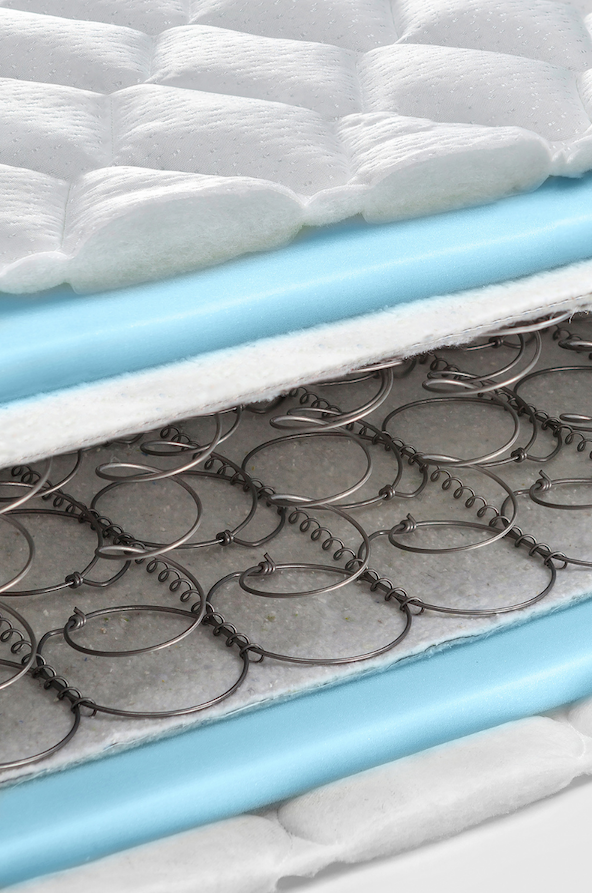
When thinking of mattresses and construction, you might think of traditional mattresses like an innerspring mattress.
As the name implies, innerspring mattresses contain spring coils.
What is different today than in days gone by is they also have layers made with other materials, such as memory foam. The mixture of materials adds comfort and durability.
A coil mattress provides a lot of bounce, making it easier to get out of bed or change positions. Also, they have a cooling effect.
Usually, the denser the coil count the higher the price.
Innerspring mattresses tend to have an estimated lifespan of ten years but will depend on the care and material quality.
Latex Mattress
Latex mattresses carry a higher price point than their counterparts. A Latex mattress will support the spine and body in their normal alignment and allow for air circulation. Thus, many people find they get a more comfortable sleep than with other types of mattresses.
Also, many users of a latex mattresses notice a reduction in pain. Will you have this benefit – it’s hard to tell; not everyone does.
Latex foam tends to be more supportive than memory foam and a lot more durable. Because of this durability, the lifespan of a latex mattress can be from 10-20 years.
Memory Foam Mattresses
The pressure points, or pressure points of the body, are areas where there is a lot of stress and pressure at night. These points include joints such as knees and hips. Upon waking some people experience pain in these areas.
If this sounds like you, you might look into a memory foam mattress. Memory foam mattresses offer pressure relief as they adapt to your body and take the weight off pressure points.
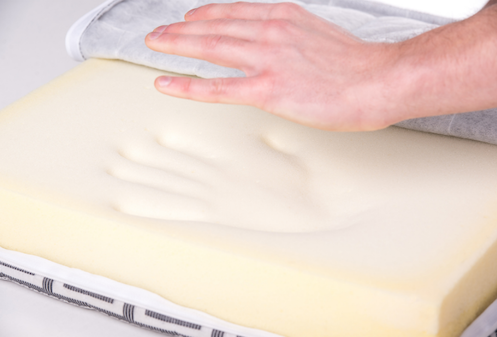
Due to the support and the memory foam’s ability to contour to your body, some people with back pain find them helpful, but they are not a cure, so still consult with your physician for medical advice.
Foam mattresses are usually made of polyurethane or latex to create memory foam layers. The memory foam will soften as you lie down and will conform to your body.
Be aware that some people find changing positions on this type of mattress challenging.
Hot sleepers often have trouble sleeping due to the heat generated in their beds. Because how memory foam attracts heat, this might not be the best mattress type for hot sleepers.
Once you get up, the mattress will spring back into its original shape. Memory foam retains heat, which is great for colder climates, but some people will find the heat uncomfortable.
A low-density foam mattress’s typical life span is between 4-6 years. A medium to high-density foam mattress can last 8-10 years. These numbers are averages and do depend on the care of the mattress.
Gel Memory Foam Mattresses
Gel foam mattresses work much like a typical foam mattress as it conforms to the body. However, unlike other foam-type mattresses, a mattress where the gel is infused helps draw the body heat away from the body.
Still a good choice for back pain and if you suffer from night sweats or just being uncomfortable with the heat when sleeping on a mattress made of just foam.
The life span of a mattress made with foam gel is estimated to be about 6-10 years. Care, use, and quality of materials used will attribute to the life span.
Hybrid Mattresses
A hybrid mattress is a mattress having a combination of two or more distinct elements.
This means foam and a mixture of other materials such as latex or cotton and an innerspring coil system.
The foam layer and the spring coils will allow pressure relief, provide support, and help provide motion isolation.
Hybrid mattresses are getting great reviews from consumers. They also have excellent ratings on consumer reports, which serve as a pretty good indicator of how well a mattress will perform for its intended use and size audience.
Remember that a hybrid mattress is not for everyone, so it’s important to do your research before buying one.
Pillow-Top Mattress
A pillow top mattress is much like a typical mattress except for one feature. Pillow top mattresses have an additional layer of padding sewn to the top of the mattress.
This extra padding is usually at least 2 inches deep but can be more.
Back sleepers and also side sleepers do well with a pillowtop mattress; however, stomach sleepers don’t get enough support with a pillowtop.
The estimated lifespan of a pillow-top mattress is 5-8 years.
Video: Types Of Mattresses Explained
Features To Consider
Hypoallergenic
Mattresses are made from different materials. If you suffer from allergies, you certainly don’t want your mattress to contribute to them. There are hypoallergenic mattresses and even organic ones if you like that as well.

Motion Isolation
If you or your partner tend to move a lot while sleeping, it can wake the other person up with motion transfer.
Mattress manufacturers have been aware of this for a long time, and many incorporate motion isolation into their mattresses so there is minimal motion transfer.
Life Span
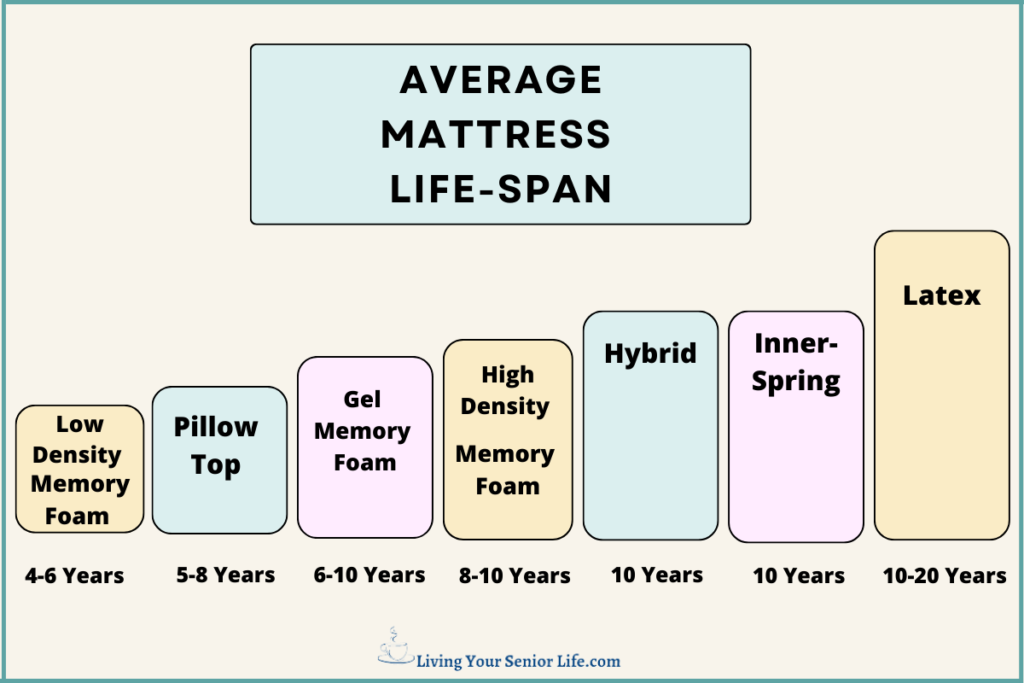
How long will the mattress last? The lifespan of mattresses can vary greatly. Numbers from 5 – 20 years and not unheard of.
Usually, the more durable a mattress, the longer its lifespan.
Also, the care and use of the mattress affect longevity.
Firmness Level and Sleeping Position Considerations
A good mattress is not just a mattress that feels good but also provides support and comfort to your body.
It must be supportive enough to help you sleep better, while other features such as durability and cooling ability should also be considered when shopping for a new mattress.
Although many factors are involved in choosing a good mattress, it’s always necessary to consider how soft or firm it is before deciding what bedding would suit your needs best.
You can find a supportive mattress across all firmness categories.
When choosing your firmness level, it’s important to take into account your sleep position.
You may not have even thought of this, but some mattresses are better for some sleep positions than others.

Back Sleepers
Back sleepers need to have enough lumbar support to have the back aligned in a neutral position, but also enough give to have the shoulders, hips, and lower back in a comfortable position.
Medium-firmness foam mattresses are usually preferred for back sleepers, but you can also find middle-ground firmness on innerspring and hybrid mattresses.
Side Sleepers
Side Sleepers need a mattress that has the benefit of pressure relief from the hips and shoulders.
Though a firm mattress will not be the most comfortable, a too-soft mattress can strain the spine.
Because of this, a mattress firmness of medium-soft will probably be the most comfortable.
Stomach Sleepers
Stomach sleepers need support for the midsection while keeping the spine aligned.
A too-soft mattress may cause back pain as the stomach sinks down, thus causing lower back strain.
Stomach sleepers will probably do best with a medium-firm mattress.
Combination Sleepers
A majority of sleepers do not commit to one position exclusively and often move between one, two, or three throughout the night. These people are referred to as combination sleepers.
Since they typically achieve a nice combination of pressure relief and support, medium-firm mattresses are an excellent option for combo sleepers.
While sleeping on the side and dozing on the back, they’re soft enough to relieve shoulder pressure and firm enough to support the hips.
Combo sleepers will particularly want to look for motion isolation, especially if they have a partner.
Edge Support
Edge support is crucial in keeping your mattress from sagging. Edge support also makes it harder to roll out of bed, gives extra support while sitting on the side of the bed, and makes getting out of bed easier.
Price
Like anything, the budget should come into play as well. Though a top-of-the-line mattress might be the luxury you long for, you don’t want o go into endless debt for it.
Look at your budget, know your price range, and compare that to the mattress type you want. Look at the highest priorities first and then list below what would be nice but can live without.
Trial
Does the particular mattress you’re considering allow for a trial? A trial period can be a great added feature if you’re unsure if the mattress is the right one for you.
How this usually works is you purchase a mattress, have it delivered, and the manufacturer allows you to sleep on it for a certain amount of days.
If you’re not happy with the mattress for things like it being too firm, too soft, or not comfortable, they will allow a refund.
Because mattress companies have different return and refund policies, it’s essential to read and understand the trial conditions to know ahead of time what to expect.
Return Policy
It’s a good idea to find out the return policy. You are making an investment in your sleep; it’s important to know if returns are available if you find the mattress uncomfortable to sleep on or if it doesn’t meet your expectations also, if buying online, who pays for return shipping?
Warranty
Does the mattress you’re looking at include any guarantee or warranty?
Warranties can range from 5 to a lifetime but usually only covers manufacturing defects such as broken coils or sagging. It’s common for coverage to be prorated based on the age of the mattress.
If you feel like you might be ready to purchase a mattress or want to look at some options, see my post, 4 Best Mattresses For Seniors Buying Guide.
Mattress Care
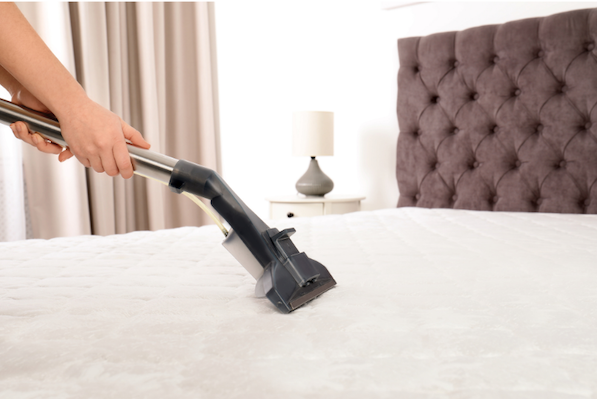
To get the best lifespan from your mattress, take care of it.
You should rotate most mattresses every six months(foot becomes head and head becomes foot). Rotating the mattress will help sagging and lumps from developing.
If you have the type of mattress that can be flipped (the top of the mattress becomes the bottom/underneath and vice versa), you should do so every six months to a year. However, check with the manufacturer as many no longer recommended flipping.
A mattress protector will protect your mattress from stains, whether from spills or accidents, and will lessen the amount of dust and debris making their way to your mattress.
Mattress Size/Room Size
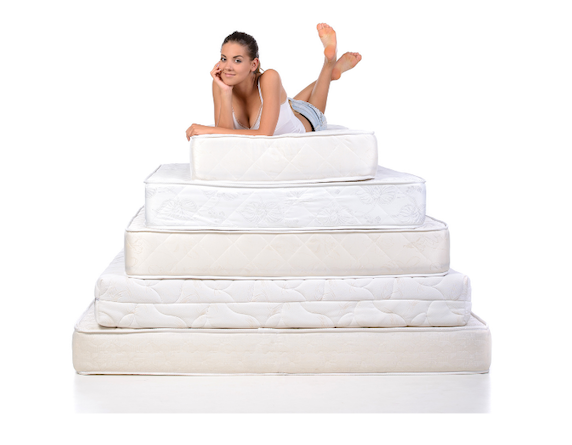
You want to consider what size mattress you want. Although queen size mattresses are one of the more popular, there are different sizes and shapes of the mattresses; Twin, Twin xl, Full, Queen, King, and CA King are all typical sizes.
Room Size
Don’t forget that your new bed/mattress has to be a good fit for the room it’s in. To have a king-size bed in a 10 x10 bed might be a tight squeeze considering other furniture in the room.
When considering what size will best fit the intended room, consider how much walking room you desire in the room.
Table: Recommended Mattress Size For Room Size
| Mattress Measurement | Recommended Room Size | |
| Twin | 39″ x 75″ | 7’ x 10’ or 10’ x 10’ |
| Twin XL | 39″ x 80″ | 7’ x 10’ |
| Full | 54″ x 75″ | 10’ x 12’ |
| Queen | 60″ x 80″ | 10’ x 10’ or 10’ x 14’ |
| King | 76″ x 80″ | 10’ x 12’ or 13’ x 13’ |
| CA King | 72″ x 84″ | 12’ x 12’ or 14’ x 12’ |
When Is It Time To Replace Your Mattress?
It may be time to replace your mattress if you aren’t sleeping well, are waking up with aches and pains, or don’t feel your bed is comfortable.
Waking up with pain is another indication that it’s time to replace your mattress. If you awaken with pain or discomfort, such as in your shoulder, back, or other joints, it may be a sign that your mattress doesn’t have enough cushion or support.
Also, if your current mattress sags, it’s definitely time to replace it with a new one.
Where Can I Purchase A Mattress?

There is a myriad of places to purchase a mattress. Here are some ideas:
Online:
Many, if not most, of your major brand mattresses, have online websites or sites that sell their mattress online. Many stores offering online mattresses offer a free trial period.
Big Box Stores:
Such as Sam’s Club and Costco.
Department Stores:
Such as JC Penny or Macy’s.
Mattress Specialty Stores:
Mattress stores only carry mattresses and bed-related items. Prices tend to be higher than other retailers.
Furniture Stores:
Convenient if buying a bed frame at the same time or other bedroom furniture.
FAQs About Mattresses
Should I Use A Mattress Protector?
Yes, absolutely. Mattress protectors are in the category of mattress accessories that can help keep your mattress clean and free of stains. Some also provide heat relief and have cooling technology.
How Long Should I Expect My Old Mattress To Last Before Needing Replacement?
That really depends on the type of mattress and how often it is rotated. Typically, mattresses that are not flipped will last about 6-8 years before they need to be replaced.
Flipping your mattress and using mattress protectors can extend the lifespan of your mattress by up to 10-12 years!
What Is A Mattress Topper?
A mattress topper is usually just a thin layer of poly foam that you place on top of your existing mattress. However, there are different types, and can be made with various materials like vinyl, latex even memory foam.
When Is The Best Time To Purchase A Mattress?
Other than when you need one, mattress sales tend to be on holiday weekends, such as Memorial Day, Labor Day, etc.
Related Articles


You Might Be Interested In: 5 Best Adjustable Bed Frames – Buying Guide
You Might Also Be Interested In Reading: Adjustable Beds For Seniors
Conclusion
A great mattress will provide proper support and alignment and is one of the most important factors in a good night’s sleep.
As the mattress industry has grown, there are more choices than ever before. Mattress shopping can be overwhelming, but by reading Mattresses 101 – Buying Guide – All You Need To Know, you are well on your way to finding the perfect mattress.
If you have any additional tips or experience in buying a mattress, please comment below.