As the golden years unfold, the importance of staying active and maintaining a healthy lifestyle becomes paramount. Engaging in sports not only offers physical benefits but also contributes significantly to mental and social well-being. In this guide, we explore sports tailored for seniors, designed to promote a fulfilling and active lifestyle. From the rhythmic beats of dancing to the strategic maneuvers of shuffleboard, we delve into a diverse range of activities that cater to different interests and fitness levels. Discover how these sports not only contribute to physical vitality but also foster a sense of camaraderie, mental agility, and joy. Join us on a journey to explore the best sports for seniors, ensuring that every step, shuffle, and dance move becomes a vibrant celebration of healthy aging.
Always consult your physician or other healthcare provider before changing your diet or starting an exercise program.
Key Takeaways:
- Sports offer health and mental benefits for seniors, including improved cardiovascular health and reduced risk of falls.
- Activities like tai chi, golf, and water aerobics are adaptable to different fitness levels and provide a full-body workout.
- Engaging in regular sports helps seniors stay socially active and supports a better quality of life.
Suitable Sports and Activities
The right mix of sports and activities for seniors promotes heart health, social interaction, and maintains muscle strength without putting much strain on the body. Let’s explore specific sports and activities tailored to varying fitness levels and physical abilities.
Low-Impact Sports
Swimming and water aerobics are excellent low-impact activities for your heart rate and cardiovascular health, ideal for virtually all age groups. The buoyancy of water supports your body, reducing the risk of falls and stress on joints. Cycling and biking, whether outdoor or stationary, offer a good workout, enhancing leg strength and endurance with minimal risk to your joints. Dancing is a fantastic way for seniors to stay active, socialize, and improve their balance and coordination. Whether it’s ballroom, line dancing, or even Zumba, dancing offers a fun and engaging workout that can be adapted to various fitness levels Tai chi and yoga blend gentle movements, mental focus, and breathing to improve balance, flexibility, and mental health—a wholesome way to include aerobic exercise in your regular routine.
- Key low-impact sports for seniors:
- Swimming/Water Aerobics: Full-body workout, low injury risk
- Cycling/Biking: Builds endurance, suitable for limited mobility
- Dancing: Improves balance and coordination
- Tai chi: Increases flexibility, helps prevent falls
- Yoga: Enhances blood circulation, promotes relaxation
Individual and Dual Sports
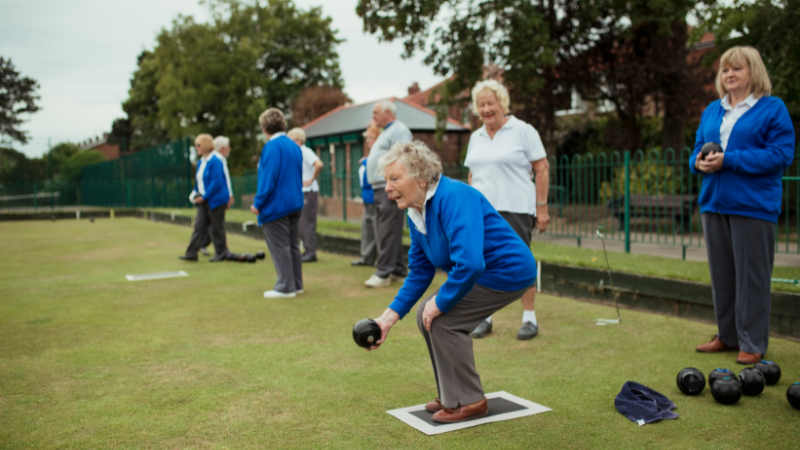
For those who prefer solitary or paired activities, tennis, and table tennis are popular sports that enhance hand-eye coordination and can be a good reason to stay active. These racquet sports can be played at varying intensities to suit your physical condition. If you fancy a sport that involves less running but still gives you a good workout, consider lawn bowling (bowls), which can be played solo or in teams. Nordic walking is another great example to include in your daily routine for a whole-body workout while enjoying nature. Frisbee or disc golf is a low-impact sport that seniors can enjoy outdoors. It involves throwing a disc into a target in as few throws as possible. These individual abilities-tailored activities provide numerous benefits, including maintaining muscle mass and improving your overall health without putting too much strain on the whole body.
- Best individual and dual sports for seniors:
- Frisbee: Enhances arm strength, balance, and cardiovascular fitness
- Tennis/Table Tennis: Improve muscle strength, and fitness level, keep the mind active
- Nordic Walking: Low-impact exercise, boosts energy levels and heart health
- Lawn Bowling: Enhances mental health, promotes social connections
Team Sports and Group Activities
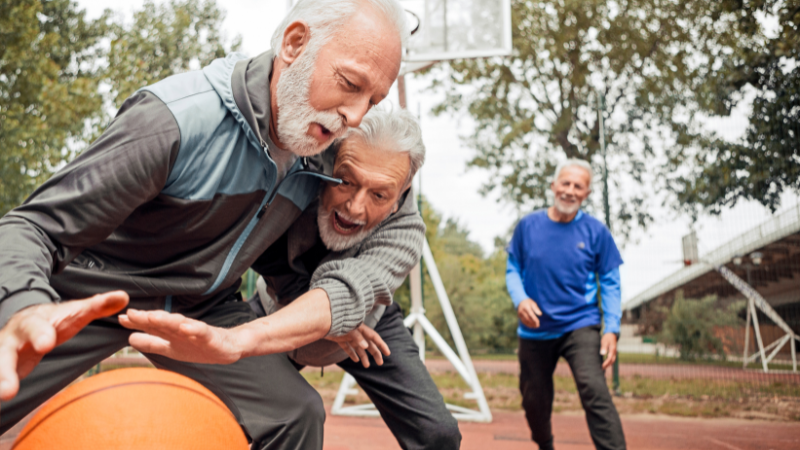
Team sports provide a combination of social interaction and exercise, a good reason why they’re popular among seniors. They often require less mobility, catering to those with limited mobility.
Joining a golf club could be a great way to enjoy fresh air and social interaction while partaking in a low-impact sport. Bowling is another activity that combines fun and gentle physical activity. Cornhole, also known as bean bag toss, is a popular and social game for seniors. It involves throwing bags filled with corn kernels at a raised platform with a hole. Curling is a winter sport that can be adapted for seniors. It involves sliding stones on a sheet of ice towards a target area which is segmented into four concentric circles. Shuffleboard is a low-impact game that is particularly popular among seniors. It involves sliding weighted discs on a smooth surface, aiming to land them within scoring areas.
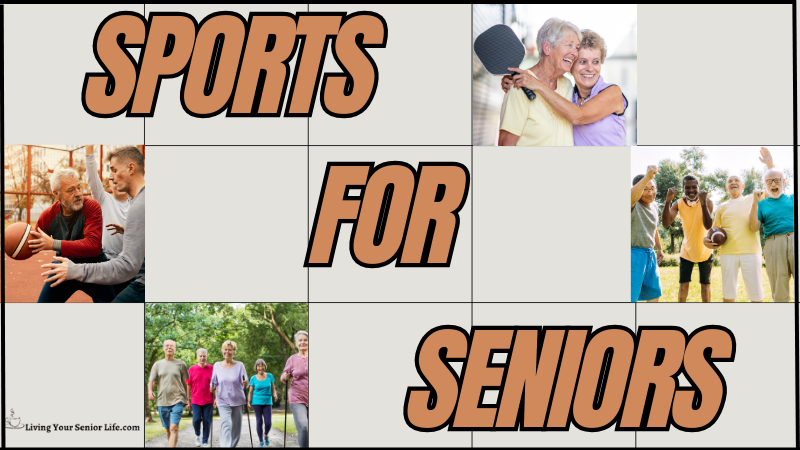
If you’re interested in heart-friendly sports, walking soccer is a modified version of traditional soccer adapted for your fitness level. Badminton is a racket sport that can be played at a leisurely pace, making it suitable for seniors. Seniors can enjoy friendly matches or play doubles for a social experience. Floor hockey is a modified version of traditional hockey, played indoors with a softer ball and without ice skates. Pickleball—a racket sport on a smaller court—is gaining popularity among seniors for its friendly competition and social aspect. Walking Basketball is a modified version of traditional basketball, where players must always keep one foot on the ground. It provides the benefits of regular basketball without the high-impact jumps
Team sports are not just about physical health; they’re a great social sport, offering camaraderie and the chance to make new friends in your senior years.
- Recommended team sports and group activities:
- Cornhole: A low-impact activity that combines skill and strategy
- Golf: A relaxing yet engaging sport for all skill levels
- Bowling: Offers enjoyment and light upper body exercise
- Curling: Promotes teamwork, strategy, and physical activity without high impact.
- Shuffleboard: A great way to enhance focus, balance, and precision.
- Cardiovascular Sports:
- Walking Soccer: Modified game, less strain, good for cardiovascular health
- Badminton: Improves reflexes, agility, and cardiovascular health
- Floor Hockey: Enhances arm strength, balance, and cardiovascular fitness
- Pickleball: Combines badminton, tennis, and table tennis elements, easier on the body
- Walking Basketball: Good for cardiovascular health and teamwork
Benefits of Sports for Older Adults
As you age, engaging in regular physical activity through sports can significantly enhance your quality of life. Sports offer numerous health benefits, cater to various physical abilities, and offer a fun way to stay active and connected.
Enhancing Physical Health
Participating in sports such as tai chi, golf, and lawn bowling can be a great exercise for maintaining and improving muscle strength, flexibility, and cardiovascular health. Tai chi is a low-impact sport that involves gentle movements, which are perfect for improving balance and reducing the risk of falls, making it ideal for older people. Regular exercise, such as swinging a golf club or taking part in lawn bowls, can help in preventing bone loss and maintaining mobility. It’s also an excellent way to manage blood pressure and reduce the risk of heart disease.
- Heart Health: Regular cardiovascular workouts strengthen the heart.
- Bone Health: Activities like Nordic walking can help combat bone loss.
- Muscle Mass: Resistance exercises build and maintain muscle strength.
- Balance & Coordination: Practicing sports hones balance and hand-eye coordination.
Boosting Mental Health
Sports have positive effects on your mental health. Engaging in physical activities, especially in team sports, can be a great way to combat stress and prevent depression. Putting effort into a new sport keeps the mind engaged and sharp, promoting mental focus. Being active in sports can be an excellent exercise for your mind, increasing energy levels and enhancing overall mental health. For example, playing a fun sport like table tennis can be a good workout for your brain due to the quick strategic thinking and hand-eye coordination required.
- Mental Focus: Racquet sports improve concentration.
- Stress Reduction: Regular walking and other sports diminish stress levels.
Promoting Social Interaction
Sports foster social interaction and are a great social sport option in your retirement years. Whether it’s joining a local gym or participating in water aerobics, you will encounter opportunities for socializing and making new friends. Team sports like lawn bowls offer a friendly competition, while activities such as walking or water aerobics are opportunities to chat and connect. Through regular involvement in sports, you can maintain a vibrant social life and build strong social connections, which are vital for mental health.
- Socialization Opportunities: Find new friends through team sports.
- Community Connection: Joining a sports program encourages engagement with peers.
Senior Sports Safety and Considerations
Engaging in physical activity is crucial for maintaining your health as you age, but it’s important to do so safely to prevent injury and ensure that health conditions are accommodated.
Preventing Injuries and Falls
To avoid injuries and falls during physical activities, you should choose low-impact sports that offer stability and do not put much strain on your joints. Examples include tai chi, which improves balance and mental focus, or Nordic walking, which provides a full-body workout without risking your safety. Always wear proper footwear that offers support and slip resistance. Incorporating balance exercises into your daily routine can significantly reduce your risk of falls.
- Balance Exercises:
- Light tai chi routines
- Simple hand-eye coordination games
- Gentle movements to build muscle strength
Health Conditions and Sports Participation
Your physical health dictates the kind of sports you can comfortably engage in. Consult with your doctor or physician to understand what is safe for you, especially if you have conditions like arthritis or heart disease. Sports like water aerobics and table tennis are excellent for those with limited mobility and offer numerous health benefits, such as improved heart health and blood pressure regulation. If you have mobility issues, focus on activities that align with your fitness level and physical abilities.
- Recommended Low-Impact Sports:
- Water aerobics
- Lawn bowling
- Golf
Adapting Activities for Mobility and Skills
Modify sports and activities to match your skill level and mobility. Engage in regular exercise that is tailored to your physical condition, like lawn bowls, a great social sport, or try a racket sport with a smaller court and to reduce the risk of injury. Strength exercises, such as those targeting the upper body, can help maintain muscle mass and upper body strength.
- Modifications for Activities:
- Choose a golf club that suits your strength and skill level.
- Opt for low-impact activities, such as gentle yoga.
- Join a senior sports program and try a new sport like lawn bowls for friendly competition.
Getting Started with Sports as a Senior
Embarking on a new sport as a senior is an excellent way to enrich your retirement years with regular exercise, social interaction, and numerous benefits for your physical and mental health. The following outlines how to begin your journey into sports, taking into account factors such as fitness level, interests, and health conditions.
Finding the Right Sport
The first step is to select a sport that matches your interests, physical abilities, and health conditions. Low-impact sports like tai chi, lawn bowling, or walking are ideal for many seniors as they offer a full-body workout without putting too much strain on joints. Water aerobics and swimming are excellent water-based activities that provide resistance and help maintain muscle mass. Sports like golf and table tennis promote hand-eye coordination and are a fun way to enjoy friendly competition. For those looking for something more social, team sports like lawn bowling or doubles racket sports can be a great option.
Setting Realistic Goals
After choosing a new sport, set achievable goals that reflect your skill level and physical condition. Start with gentle movements and gradually increase the intensity to avoid the risk of injury. If you’re new to regular exercise, consider low-impact activities that can be done at a slower pace, such as Nordic walking or ball games on a smaller court. This will help you build muscle strength and cardiovascular health at a comfortable rate. Track your progress and celebrate small victories to stay motivated.
Incorporating Sports into Daily Life
Integrating sports into your daily routine is key to maintaining an active lifestyle. Ideally, aim to engage in physical activity that raises your heart rate and improves blood circulation consistently. Whether it’s a morning session of tai chi for mental focus, a round of golf for fresh air and a wide range of motion, or regular walking with new friends, finding a daily slot for sports can boost energy levels and overall health. Enroll in exercise classes at your local gym designed for older adults, or join a sports program geared toward senior citizens to create social connections and enhance your quality of life.
Community and Resources
Establishing connections with local sports clubs and participating in senior sports programs are great ways to maintain an active lifestyle.
Local Sports Clubs and Facilities
You can find Local Sports Clubs and Facilities that cater to older adults seeking to participate in sports and exercise classes. These often include activities tuned to your physical abilities and may range from golf clubs to tennis courts with retractable roofs for all-weather play.
- Golf courses: offer a low-impact sport that’s perfect for maintaining cardiovascular health without placing much strain on your body.
- Community centers: many have spaces dedicated to indoor sports like table tennis, a low-impact activity that can improve hand-eye coordination and mental focus.
- Outdoor sports facilities: ideal for Nordic walking and lawn bowling, providing fresh air and a full-body workout, ideal for bone health and reducing the risk of falls.
Senior Sports Programs and Events
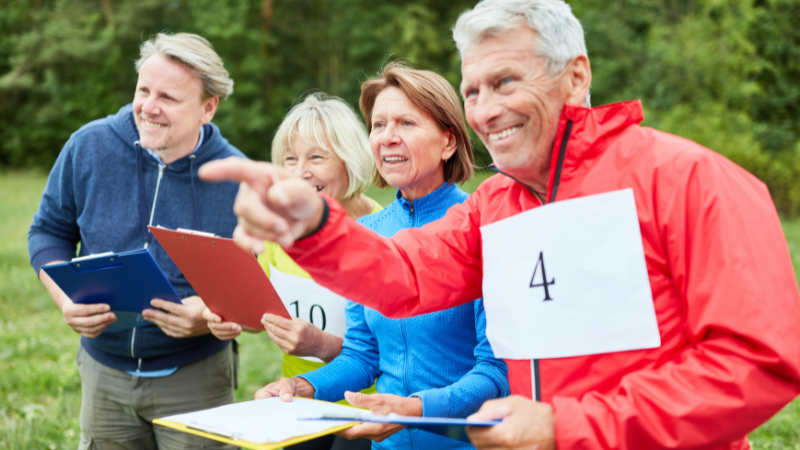
Senior Sports Programs and Events provide great opportunities for older people to engage in regular exercise that suits their fitness level. Programs are often sponsored by community organizations and the Centers for Disease Control and Prevention as part of initiatives promoting physical activity among seniors.
- Senior Games: These include a variety of sports, allowing you to choose the best fit for your skill level and preferred type of physical activity.
- Exercise classes: Often tailored to senior citizens and can range from water aerobics, which is gentle on joints, to yoga classes emphasizing gentle movements to improve balance and flexibility.
- Team sports: participation in a team sport can be a great social sport and offers a sense of community while providing cardiovascular workout and boosting muscle strength.
Connecting with these resources in your community can help you maintain your physical health, enjoy social interaction, and enhance the quality of life during your senior years.
Frequently Asked Questions
This section addresses common inquiries with targeted advice and options for seniors looking to engage in sports and physical activities tailored to their abilities and age.
What modifications to sports can be made to accommodate the elderly?
Sports can be modified by reducing the intensity and duration to suit your physical condition. For instance, switching to a lower-impact sport like tai chi can improve balance and reduce the risk of falls, accommodating limited mobility for safe and effective exercise.
What are some fun and competitive sports options for individuals over 40?
Tennis or badminton on a smaller court can be an excellent way for you to maintain heart health and improve hand-eye coordination. These racket sports also offer a good cardiovascular workout and are adaptable to your skill level.
Which team sports are well-suited for people over the age of 60?
You might consider lawn bowls or walking football as team sports that are low-impact and promote social interaction. These activities are great for maintaining an active lifestyle without putting too much strain on your body.
What type of exercises are recommended for people who are 70 years old and above?
Regular walking and Nordic walking are great workouts that provide fresh air and a chance to socialize. Gentle movements like stretching and resistance exercises can help maintain muscle mass and flexibility, critical for sustaining your independence in your senior years.
Always consult your physician or other healthcare provider before changing your diet or starting an exercise program.
Remember, it’s never too late to try a new sport or pick up a racket sport. These activities can boost your heart health, blood circulation, and ensure your energy levels remain high. With a wide range of motion required for these sports, you’ll also help maintain your overall health. Always choose activities that align with your skill level and physical condition to minimize the risk of injury and ensure a good workout. Whether it’s a racquet sport in a local gym or regular walking sessions, your dedication to maintaining an active and healthy routine is a great exercise for your body and mind.
Lastly, keep in mind that it’s not about your current skill level or fitness level, but about finding a great workout that encourages a more active lifestyle, offers friendly competition, and builds social connections. No matter what your physical condition may be, integrating physical activities into your routine can be an excellent way to stay engaged and enjoy your senior years.
Feel free to share your suggestions for alternative sports and activities suitable for older adults by listing them in the comments below!