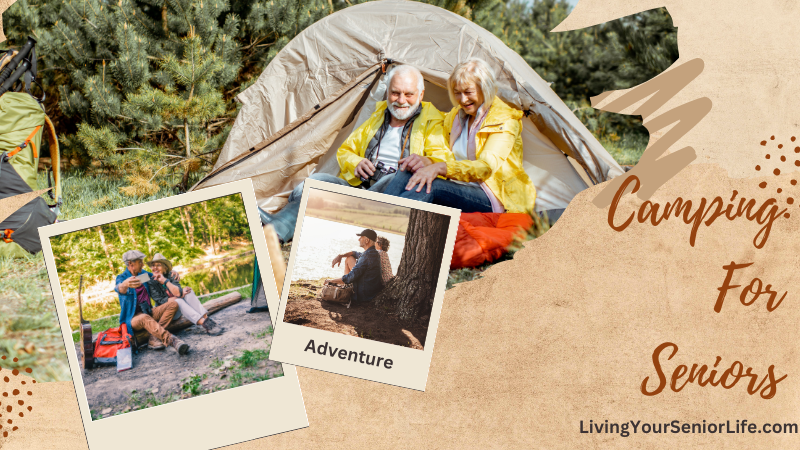
As the golden years approach, many seniors find themselves yearning for new adventures and experiences that enrich their lives. While the idea of camping might seem daunting to some, it holds incredible potential for seniors seeking tranquility, connection with nature, and memorable moments with loved ones. In this guide, we will explore the joys and benefits of camping for seniors, offering tips, insights, and encouragement to embark on this rewarding journey.
Key Takeaways:
- Camping offers senior citizens health benefits and peaceful experiences in nature.
- Preparing the right gear, such as a sturdy tent and comfortable sleeping arrangements, is key for a comfortable camping trip.
- RV clubs and senior discounts at various camping locations can enhance the camping experience for older adults.
Planning Your Camping Trip
For those considering RV camping, joining RV clubs could be an excellent opportunity to meet new friends and share outdoor adventures. Access to RV parks with electric hookups and air conditioning brings the comforts of home to the wilderness, making it a great option for seniors with mobility issues. Tent camping also remains a favorite, offering senior citizens the chance to breathe in the fresh air and enjoy a peaceful retreat amidst beautiful scenery. Whether it involves hiking through national forests, fishing in clear lakes, or just relaxing at a modern campsite, camping provides diverse ways for senior RVers and tent enthusiasts to experience the outdoors.
Embarking on a camping adventure is an excellent opportunity for senior citizens to enjoy the great outdoors. Whether you’re drawn to the serene beauty of national parks or the welcoming community of RV parks, proper planning ensures your experience is both memorable and comfortable.
Choosing the Right Campsite
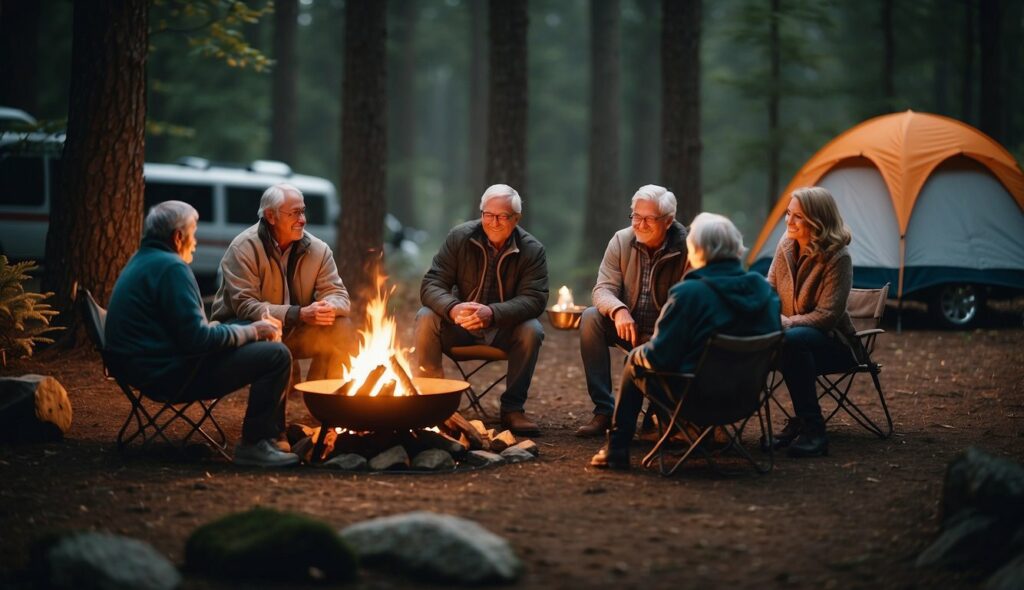
Selecting an ideal campsite is crucial to your camping experience. Aim to find a modern campsite with amenities that cater to your needs, such as electric hookups and accessible bath facilities, especially if you have mobility issues. For a blend of outdoor activities and comfort, state parks and RV clubs may offer the perfect way to immerse in nature while providing the comforts of home. Make use of senior discounts offered by many federal agencies, and remember to check weather conditions prior to your trip.
- Terrain: Choose level ground to avoid rugged terrain that can be challenging.
- Accessibility: Look for sites with paths that are easy to navigate.
- Amenities: Consider what features you want
- Safety Features: Campsites with secure storage can protect you from wildlife like a grizzly bear.
Packing Essentials
First and foremost, create a packing list to include all essential items for a good night’s sleep and everyday comfort. Packing appropriate clothing in layers allows for adapting to changing weather, from wide-brimmed hats for sun protection to hiking boots for explorations. Don’t forget your first aid kit with enough medications and any mobility aids you may need.
- Sleeping: A comfortable sleeping bag or air mattress and a camp bed can ensure restful sleep.
- Seating: A sturdy camp chair provides a comfy place to relax.
- Health: Pack a first aid kit with enough medications for the trip.
- Clothing: Bring layered, versatile clothing suitable for all conditions.
Determining Travel and Accommodation Needs
RV camping is a great way for senior RVers to explore North America with many of the comforts of home. Whether choosing an instant tent for a traditional tent camping trip or a pop-up camper for ease, ensure you rent or buy one that meets your mobility and space requirements. Joining tent camping groups or RV clubs can also be a good idea, as they often organize tours that are a great option for making new friends.
- Transportation: Decide if you’ll drive, rent an RV, or join a guided tour.
- Accommodation: Assess whether glamping, RVs, or tent camping suits your style.
- Support: Consider if you’ll need assistance and if you’re traveling with a family member or friend.
- Campsite Reservation: Book in advance, especially during the high season, to secure your spot.
With attention to these details, your camping trip can become one of the best things in your golden years.
Comfort and Convenience in Nature
Seeking comfort and convenience while enjoying the great outdoors can greatly enhance your camping experiences. Let’s explore how to ensure a good night’s sleep, maintain personal hygiene, and handle food preparation with ease.
Sleeping Comfortably Outdoors
Sleeping Arrangements: Selecting the right tent can mean the difference between waking up refreshed or with aches and pains. For senior citizens looking for a comfortable bed in nature, an air mattress or a camp bed with proper insulation is key. Ensuring that your sleeping bag is suited to the weather is also essential for a restful slumber.
- Sleeping Pads: Look for a thick, insulated sleeping pad that is easy to inflate. This adds an extra layer of cushioning and helps retain body heat during the night.
- Amenities: If you prefer more creature comforts, RV parks and modern campsites often provide electric hookups and air conditioning, elevating the camping experience for older adults.
Maintaining Personal Hygiene
Showers and Restrooms: When choosing your campsite, consider locations with amenities such as clean showers and restrooms. Many state parks and federal recreation sites offer these facilities. If you value having your own bathroom, RV camping with built-in toilets and showers is an excellent option.
- Personal Hygiene Items: Pack a toiletry kit that includes:
- Biodegradable soap
- Toothbrush and toothpaste
- Quick-dry towel
- Wet wipes for easy cleaning
Accessibility: For senior RVers or those with mobility issues, ensure that your selected campground offers accessible bathroom facilities.
Food Preparation and Cooking

Cooking Gear: A portable stove or grill makes food preparation in a natural setting more convenient, especially for senior campers. Pack lightweight cooking utensils and a sturdy cooler to keep ingredients fresh.
- Water Sources: Confirm the availability of potable water sources for cooking and clean-up. If water sources are scarce, bring plenty of bottled water.
Cooking Tips: Preparing meals can be one of the best things about a camping trip. Plan easy-to-cook meals and consider practice runs at home before your tent camping trip. Always check for fire restrictions in national forests and parks before lighting any stoves or campfires.
Activities and Enjoyment Amidst Nature
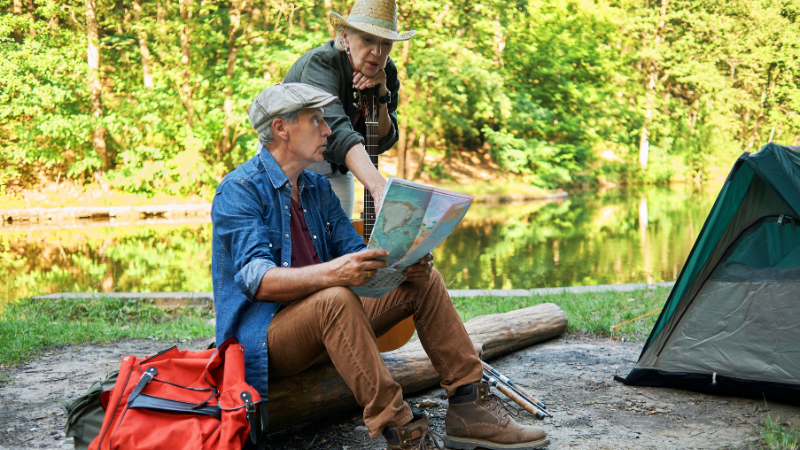
Camping in the great outdoors presents a variety of activities suited to the preferences and fitness levels of senior citizens, offering a perfect blend of relaxation and engagement with nature.
Engaging in Physical Activities
Exercise and Outdoor Activities: The great outdoors beckons with a host of physical activities tailored to your energy and fitness. Whether it’s hiking through national parks or enjoying a leisurely bike ride in state parks, you’ll find that staying active is a great way to experience the tranquility of nature. RV parks often provide open spaces for exercises like yoga or Tai Chi, which are perfect for older adults seeking mindfulness amidst nature.
- Games: Engage in light-hearted games that get the body moving and spirits elevated.
- Fishing: It’s a good idea to grab your fishing gear and enjoy the serenity of lakeside fishing.
- Golf: Some modern campsites might be close to a golf course, making it an excellent option for a combination of fun and physical activity.
Leisure and Relaxation
Peace and Mindfulness: For a truly peaceful time, find a camp chair by the fire and dive into a book or start an arts and crafts project. Leisurely nature walks offer an opportunity to observe wildlife and soak in a good night’s sleep under the stars in your comfortable sleeping bag or air mattress.
- Rest: Ensure you have a comfortable bed in your RV camping setup or opt for camp beds at a tent site.
- Meditation: A burst of fresh air and a serene natural setting are the perfect ingredients for a mindfulness session.
Exploring and Appreciating the Environment
Connection with Nature: Senior campers often express that one of the best things about camping is the intimate connection with nature. Visit national forests to be awed by old-growth trees or go RV camping with other senior RVers to share camping tips and enjoy outdoor adventures together.
- Attractions: Visiting historical landmarks and attractions is a great way to add educational value to your camping experience.
- Wildlife Watching: Remember to bring your binoculars for wildlife spotting—being on the lookout for creatures big and small is one of the joys of being in national parks or federal recreation sites.
Safety and Accessibility for Seniors
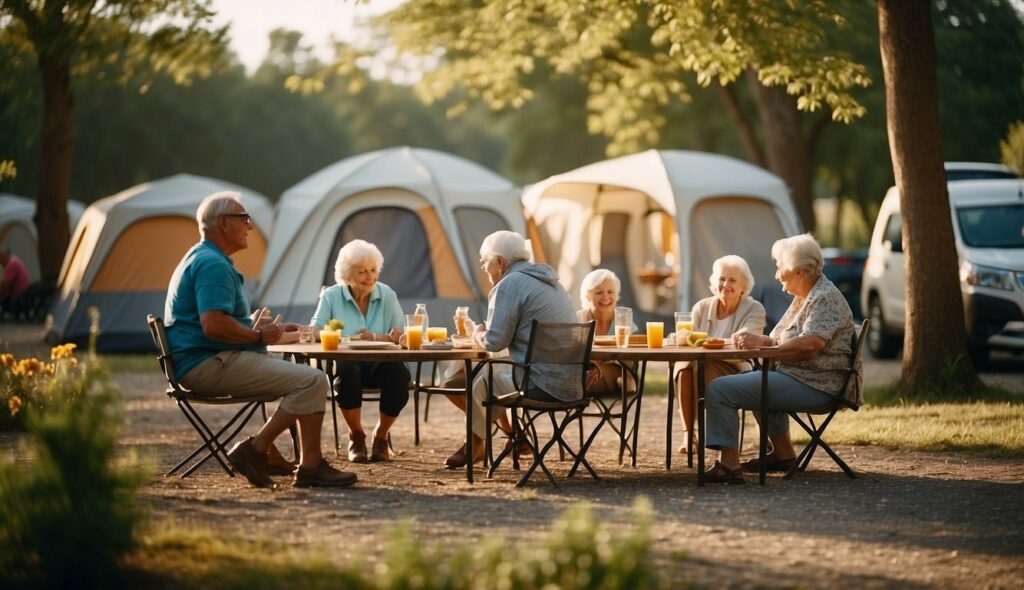
When embarking on camping adventures in the great outdoors, senior citizens must prioritize safety and accessibility to ensure a great time and a comfortable experience.
Navigating the Campsite and Trails
It’s crucial to choose the right campsite with level ground and well-maintained hiking trails to avoid hazards. Spacious areas not only provide comfort but also minimize the risk of injuries. Look for modern campsites in national parks or state parks with electric hookups and RV parks that cater to older adults, enhancing both safety and accessibility. RV camping is a great way for senior RVers to enjoy the comforts of home in a natural setting. While on a trail, good hiking boots are key to providing support on rugged terrain.
Health and Medical Considerations
Before planning a camping trip, ensure that you are in good health and have enough medications for the duration. Health concerns for older people are paramount; carry a first aid kit and remember to stay hydrated. Always have a list of your medications and a note of any health concerns in case of emergency. Consider joining tent camping groups or RV clubs that offer support for senior campers.
Emergency Preparedness and Precautions
It’s a good idea to inform a family member about your camping plans, including potential hazards and weather forecast to prepare for the worst-case scenario. Be sure to have emergency contact information handy and familiarize yourself with the area using tools like Google Maps. Wildlife can pose risks, so understand the safety precautions to be taken, such as storing food securely to avoid attracting animals like the grizzly bear.
Remember, accessibility can make or break your camping experience. Aim for sites that provide the best camping gear, air conditioning, and safety features to ensure a good night’s sleep and a successful camping trip. As US citizens, you may benefit from discounts such as the beautiful senior pass, which offers reduced entrance fees to various recreation sites managed by federal agencies.
Gear and Equipment for Senior Campers
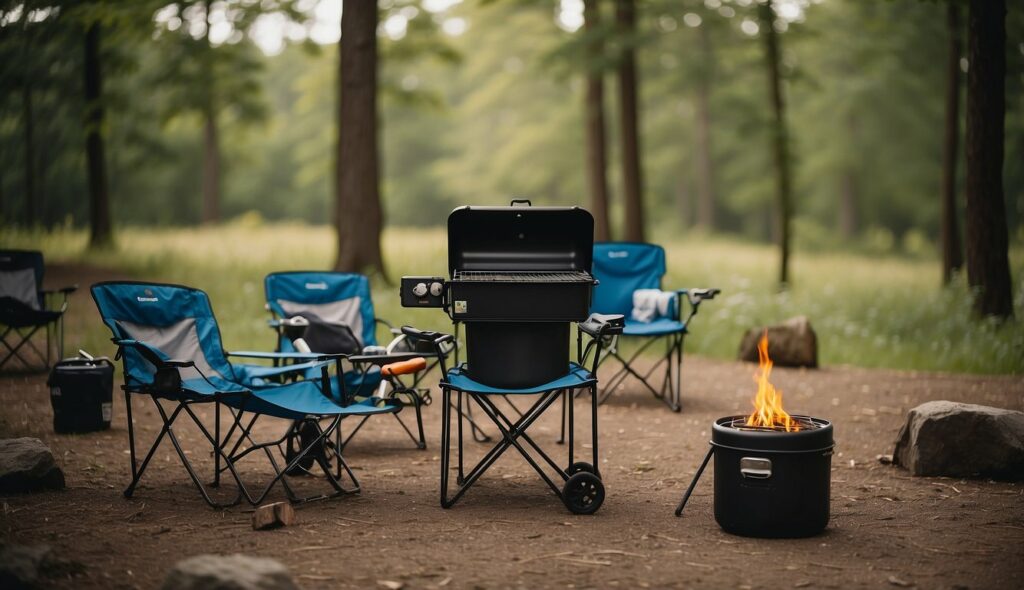
To ensure a comfortable and hassle-free camping experience, senior campers should focus on selecting the right gear and equipment. This requires considering ease of use, comfort, and safety tailored to the needs of older adults engaging in outdoor activities.
Tents and Sleeping Solutions
For older people who cherish the great outdoors, finding the right tent is crucial. Instant tents are a great way to simplify setup; look for a model with a tall entrance to prevent stooping. For a good night’s sleep, a sleeping bag suited to the weather forecast is essential, along with an air mattress to cushion against the rugged terrain. A comfortable bed inside your tent can vastly improve your camping experience.
- Instant Tent: Choose a design that pops up quickly to avoid complex assembly.
- Sleeping Bag: Ensure it’s rated for the climate you’ll be camping in.
- Air Mattress: Opt for one with a built-in pump for ease of use.
- Camp Beds: Consider elevated options to make getting in and out easier.
Lighting and Temperature Control
Proper lighting is one of the most important things to secure for a successful camping trip. Options like lanterns, flashlights, and headlamps are great for navigating the campsite. To manage temperatures, consider packing fans for air circulation during warmer weather or a portable heater for cooler temperatures.
- Lanterns: Hang one inside your tent for ambient light.
- Flashlights/Headlamps: Keep these handy for late-night walks.
- Fans: Battery-operated ones can keep you cool in the absence of air conditioning.
- Portable Heater: For colder nights, these can be a safety feature.
Additional Comfort Accessories
Extra accessories can turn a basic tent camping trip into a comfortable retreat. A camp chair with ample support is a good idea for relaxing around the campfire. If you plan to spend time in sunny spots, consider a wide-brimmed hat or a portable shelter. Lastly, don’t forget to pack an organized first aid kit – a must-have for any outdoor adventure.
- Camp Chair: Choose one that’s easy to fold and offers good back support.
- Wide-Brimmed Hat: Protects against sunlight and other elements.
- Portable Shelter: A pop-up canopy or shade tent can offer relief from the sun.
- First Aid Kit: Make sure it’s well-stocked for any minor incidents.
Frequently Asked Questions
Embarking on camping adventures can be one of the best things you do in your golden years. This section addresses common queries to ensure a great time and a comfortable experience in the great outdoors for senior campers.
How can senior citizens camp comfortably and safely?
To camp in comfort and safety, senior citizens should choose sites with electric hookups and amenities that cater to mobility issues. RV camping is a great option for those new to the outdoor activities or for those who appreciate having the comforts of home. It’s also a good idea to check for recreational sites that offer smooth, accessible terrain, and to always keep a wide-brimmed hat and enough medications on hand.
Which are the best camping sites suitable for seniors?
National parks and state parks are outstanding choices as they offer beautiful senior pass discounts and have well-maintained facilities. RV parks and modern campsites are also an excellent option due to their amenities like clean washroom facilities. Some sites are specifically tailored for older adults, offering flat terrain and easy access to historical landmarks.
How can seniors take advantage of discounts when camping?
Many federal agencies, including the National Park Service, offer a senior discount on entrance fees and passes for US citizens. The beautiful pass for seniors can grant access to national forests and recreation sites across North America. Senior centers and tent camping groups may also provide discounts or offer group rates, which is a great way to meet new friends on your first camping trip or long time camping enthusiasts.
Final Thoughts
In conclusion, camping is not just for the young and adventurous; it’s an activity that can be enjoyed by individuals of all ages, including seniors. From the serenity of nature to the camaraderie around a campfire, camping offers countless opportunities for seniors to rejuvenate their spirits, strengthen bonds with family and friends, and create lasting memories.
So, whether you’re a seasoned outdoor enthusiast or someone curious about dipping your toes into the world of camping later in life, remember that the great outdoors welcomes everyone, regardless of age. Embrace the adventure, and let the beauty of nature inspire you on your camping journey. Happy camping!