Best Low-Impact Cardio for Seniors: 9 Safe Options

Low-impact cardio for seniors is one of the best ways to keep your heart healthy, your mind sharp, and your body moving—without putting unnecessary strain on your joints or risking injury. The good news? There are safe and effective cardio options, and many can be done right at home or in your community.

LivingYourSeniorLife is supported by its audience. When you purchase through links on our site, we may earn a small affiliate commission at no cost to you. Learn more.

“Senior couple walking together outdoors as part of a low-impact cardio routine for healthy aging.”

This guide covers nine low-impact cardio exercises for seniors, along with tips on how to get started safely, the equipment you might need, and how to incorporate cardiovascular exercise into a sustainable part of your daily routine.

Quick reminder: Consult your doctor before starting any new exercise program, especially if you have existing health conditions or haven’t been recently active. The information in this post is educational and not a substitute for professional medical advice. Always listen to your body and exercise safely.

🔎 Quick Answer: What Is the Best Low-Impact Cardio for Seniors?

The best low-impact cardio for seniors includes activities that improve heart health while being gentle on joints. Walking, cycling (stationary or recumbent), swimming, water aerobics, elliptical training, rowing, dancing, and low-impact aerobics are all safe and effective options. The best choice is one you enjoy and can do consistently, even if you start with just 5–10 minutes a day.


🎧 Prefer to listen?

In this episode of the Living Your Senior Life podcast, we walk through these 9 low-impact cardio options, how to get started safely, and simple ways to build a weekly routine.


What Is Cardio Exercise?

Fitness experts often tout cardio as one of the best ways to improve your health. Cardio is short for cardiovascular exercise, which means any activity that gets your heart pumping and your heart rate up. Another term for cardio exercise is aerobic exercise.

Cardio exercise allows your heart to pump more blood throughout your body for a period of time. In turn, this makes the cells in your body work harder and receive more oxygen. This increased oxygen delivery is what makes you breathe harder during exercise and why you feel energized afterward.

Aerobic exercise improves your heart health, strengthens your core, arms, and leg muscles, and can help you maintain a healthy weight.

Benefits of Cardio Exercise for Seniors

So why should you do cardio exercise? The benefits of cardiovascular activity are numerous and particularly important as we age. Regular cardio workouts can lead to:

  • Weight management and improved metabolism
  • Stronger bones and healthier joints
  • Better blood pressure levels and improved circulation
  • Lower risk of heart disease and stroke
  • Improved blood sugar control for those with diabetes or prediabetes
  • Enhanced mental clarity and reduced risk of cognitive decline
  • Better sleep quality and more energy during the day
  • Improved mood and reduced symptoms of depression and anxiety
  • Greater independence and ability to perform daily activities

The Centers for Disease Control and Prevention recommends that seniors aim for at least 150 minutes of moderate-intensity aerobic activity per week. That breaks down to just 30 minutes a day, five days a week – or you can split it into smaller 10-15 minute sessions throughout the day.

With those benefits in mind, let’s look at the safest and most effective low-impact cardio options for seniors.

9 Types of Low-Impact Cardio for Seniors

1. Walking (Outdoor & Neighborhood)

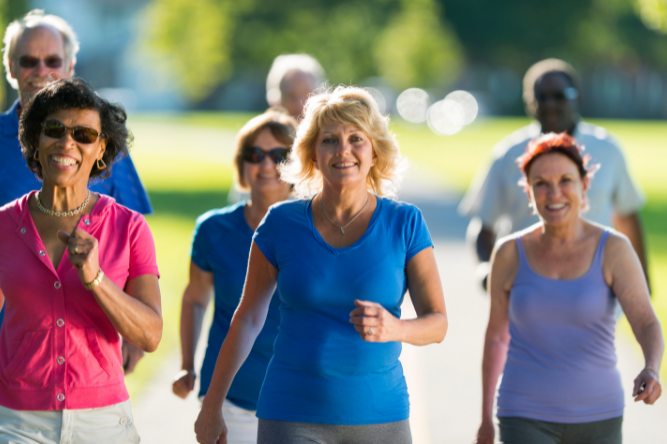
Senior couple walking on a walking path in the neighborhood

Walking is the most accessible form of cardio exercise for seniors. It requires no special equipment beyond comfortable shoes, can be done almost anywhere, and allows you to start at your own pace and gradually build up distance and speed.

Why It’s Great for Seniors:

Walking is low-impact, natural, and something most people can do regardless of fitness level. It strengthens your heart, improves bone density, helps with balance, and gives you fresh air and sunshine when done outdoors.

How to Get Started:

Begin with just 5-10 minutes of walking at a comfortable pace. As you build endurance, gradually increase your time and distance. Choose flat, even surfaces initially to reduce fall risk. Walking with a friend or joining a walking group can make it more enjoyable and keep you accountable.

Equipment Recommendations:

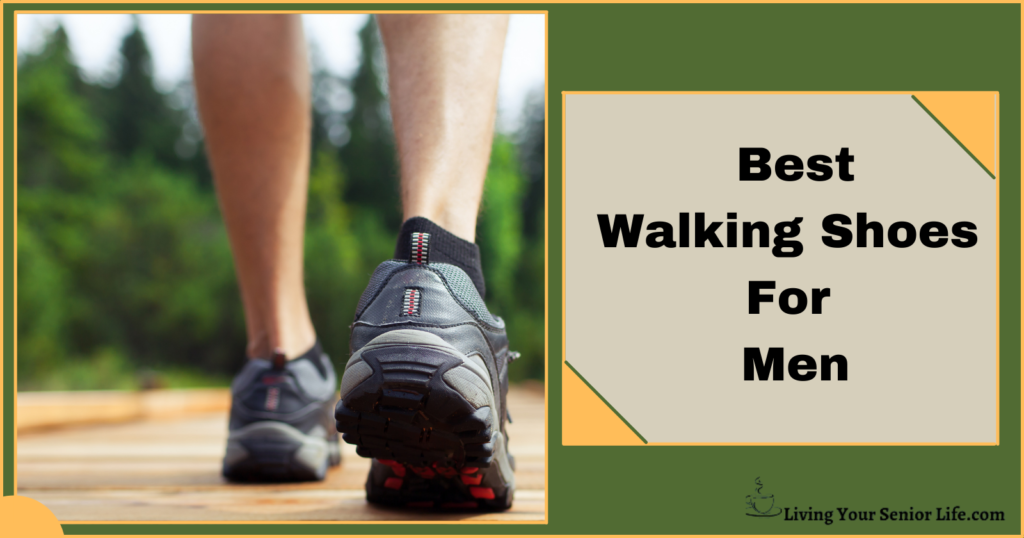
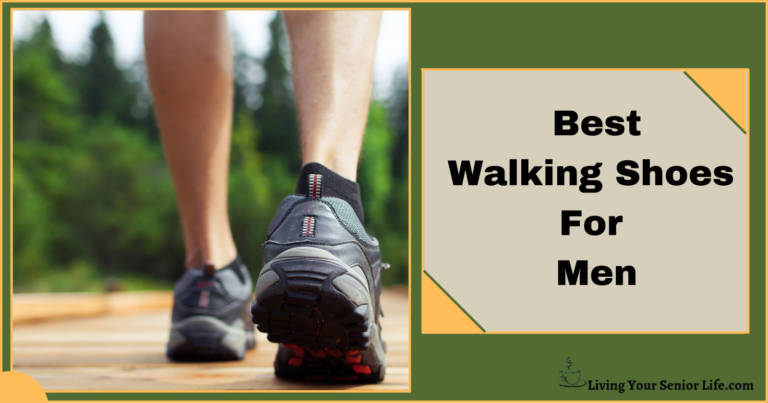
  • Supportive walking shoes with good arch support and cushioning
  • Walking poles or Nordic walking sticks for added stability and upper body workout (these have been game-changers for many seniors)
  • A pedometer or fitness tracker to monitor steps and progress
  • Reflective vest or clothing if walking in the early morning or evening
  • Water bottle to stay hydrated

Safety Tips:

Start slow and listen to your body. If you have joint problems or balance concerns, consult your doctor before beginning. Walk during daylight hours when possible, and let someone know your route if walking alone.

2. Indoor Walking & Walking Videos

Senior woman doing an indoor walking workout at home while following a walking exercise video on TV.

Indoor walking is perfect for days when the weather doesn’t cooperate, or if you prefer exercising in the comfort and safety of your home. Walking videos and programs designed for seniors provide structure and motivation while eliminating concerns about traffic, uneven surfaces, or weather.

Why It’s Great for Seniors:

You can exercise regardless of weather conditions, there’s no concern about traffic or outdoor hazards, and you can pause anytime you need to. Video programs often include warm-ups, cool-downs, and modifications for different fitness levels.

How to Get Started:

Clear a space in your home where you can move freely. Start with beginner-level walking videos (Leslie Sansone’s “Walk at Home” series is popular with seniors). Begin with 10-15 minute sessions and work your way up. You can also simply walk in place or around your home while listening to music or watching TV.

Equipment Recommendations:

  • Comfortable indoor walking shoes with non-slip soles
  • Exercise mat for cushioning if desired
  • TV or tablet for following along with videos
  • Walking DVD programs or streaming subscriptions designed for seniors

Safety Tips:

Make sure your walking area is clear of furniture, rugs, or obstacles. Wear proper footwear to prevent slipping. Keep water nearby and take breaks as needed.

3. Cycling (Upright, Recumbent, Stationary & Outdoor)

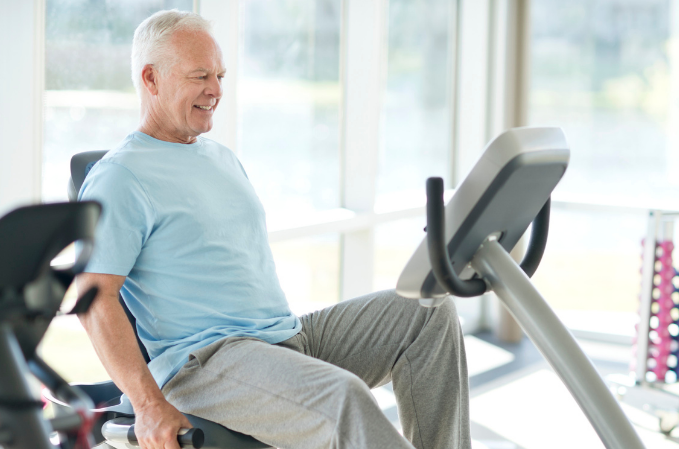
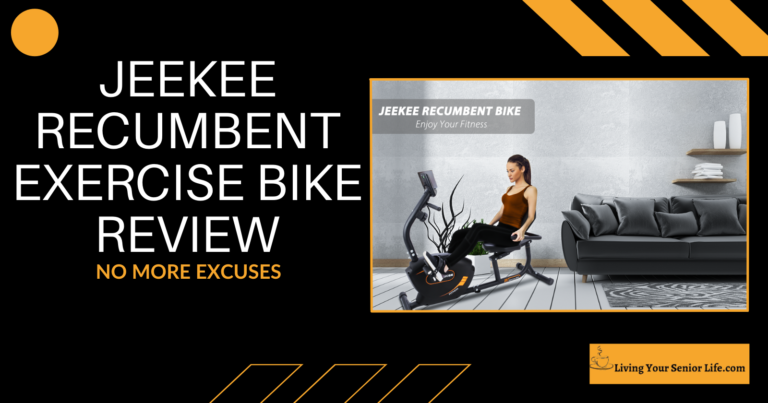
Senior woman using a recumbent exercise bike at home as a low-impact cardio workout.

Cycling offers incredible variety – from outdoor riding to stationary bikes at home or the gym. The different types of bikes available mean there’s an option for nearly every senior, regardless of balance concerns or physical limitations.

Types of Cycling for Seniors:

Indoor Stationary Bikes: These stay in one place and allow you to pedal in the comfort of your home or gym. You can use apps that take you through scenic routes with different intensities, making the workout more engaging.

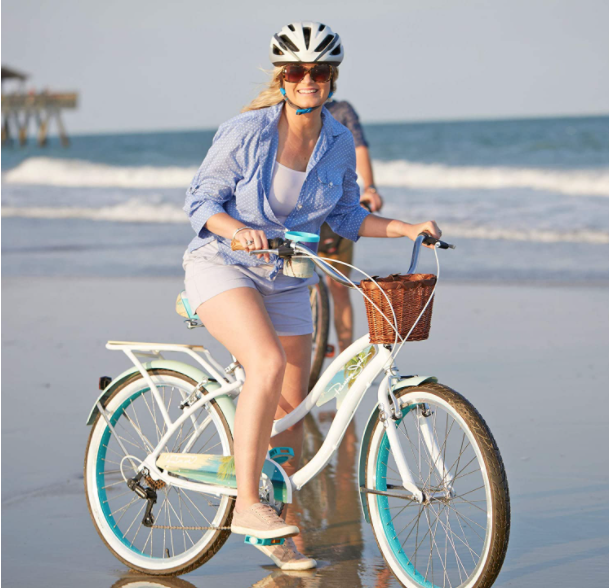
Upright Bikes: Whether indoors or outdoors, upright bikes allow you to sit in a more traditional cycling position with your head looking straight ahead. Outdoor options include road bikes, comfort bikes, and cruisers. Some seniors prefer upright bikes for the familiar feel.

Recumbent Bikes: These bikes position your body in a reclined, laid-back position with a wider, more supportive seat. They’re available for both indoor and outdoor use. Outdoor recumbent bikes typically have three wheels for extra stability.

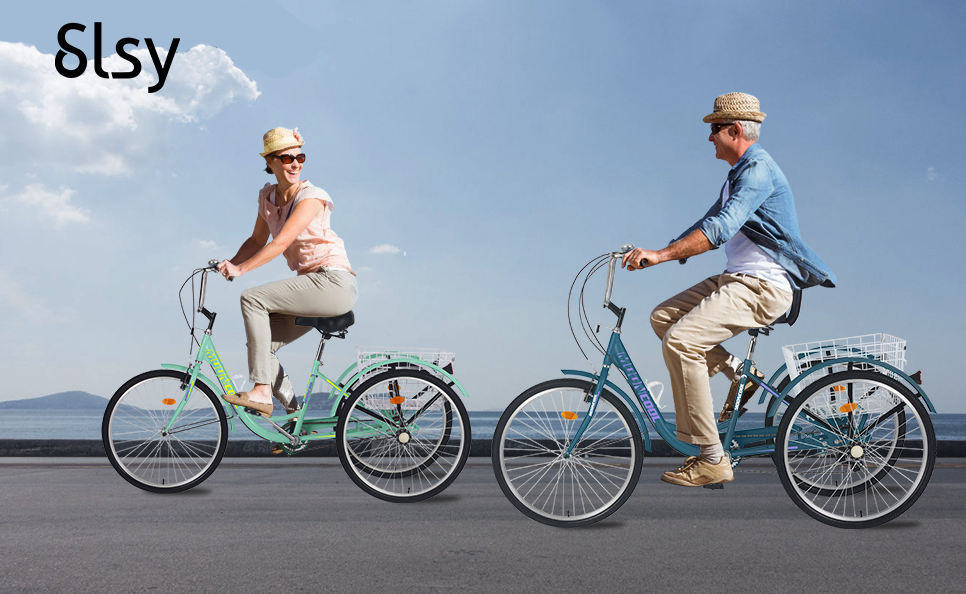
Adult Tricycles: Three-wheeled bikes provide excellent stability for those with balance concerns. They allow you to enjoy outdoor cycling without worrying about tipping over when stopping.

Why Cycling Is Great for Seniors:

Cycling is low-impact and joint-friendly while still elevating your heart rate for an excellent cardio workout. The seated position takes pressure off your hips and knees, and recumbent options are particularly comfortable for those with back issues.

How to Get Started:

If using a stationary bike, start with 10-15 minutes at low resistance. Gradually increase duration before increasing intensity. For outdoor cycling, begin on flat, quiet streets or bike paths. If balance is a concern, consider a recumbent trike or a stationary bike instead.

Equipment Recommendations:

  • Recumbent stationary bike for home use (especially good for those with back or balance issues)
  • Adult tricycle for outdoor stability
  • Padded bike seat cover for added comfort
  • Cycling apps like Zwift or Peloton for indoor motivation
  • Helmet and safety gear for outdoor riding
  • Bike lights and reflectors for visibility

Safety Tips:

Adjust the seat properly so your leg has a slight bend at the bottom of the pedal stroke. If riding outdoors, follow traffic laws, wear a helmet, and ride during daylight hours. Start with low resistance and build up gradually to avoid knee strain.

You Might Be Interested In: Best Recumbent Bikes for Seniors

4. Swimming (Lap Swimming)

Senior man swimming laps in an indoor pool as a low-impact cardio exercise.

Swimming provides a complete full-body workout while being incredibly gentle on joints. The water supports your body weight, eliminating impact while providing natural resistance that strengthens muscles and challenges your cardiovascular system.

Why It’s Great for Seniors:

Swimming is zero-impact, making it ideal for those with arthritis, joint pain, or injuries. It works every major muscle group, improves flexibility, and the water’s buoyancy reduces fall risk. Many seniors find swimming refreshing and enjoyable, especially in warmer months.

How to Get Started:

If you haven’t swum in years, consider taking a refresher class or adult swim lessons at your local pool or YMCA. Start with just a few laps using whatever stroke feels most comfortable – even floating and gentle paddling counts as exercise. As you build endurance, increase your laps gradually.

Equipment Recommendations:

  • Comfortable swimsuit designed for lap swimming
  • Swim goggles to protect eyes from chlorine
  • Swim cap to keep hair dry and reduce drag
  • Water shoes for traction on the pool deck
  • Kickboard or pool noodle for assisted swimming if needed

Safety Tips:

Never swim alone – use pools with lifeguards on duty. Enter and exit the pool carefully using handrails. If you have any heart conditions or breathing issues, consult your doctor before beginning a swimming program. Take breaks between laps and don’t push beyond your comfort level.

5. Water Aerobics (Aqua Fitness)

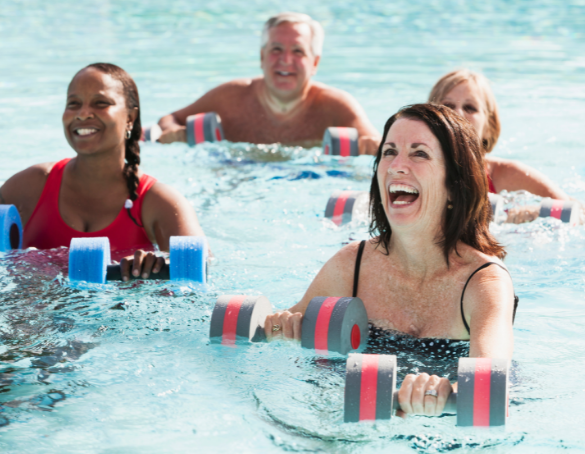
Senior woman participating in water aerobics as a low-impact cardio exercise.

Water aerobics involves exercising in an upright position while in water, typically in a pool. This activity combines the cardiovascular benefits of aerobic exercise with the joint-friendly environment of water. Water aerobics classes are specifically designed for groups and often include music, making them social and fun.

Why It’s Great for Seniors:

Water has a unique property of supporting the body, which means very little stress on joints during water aerobics – unlike running or jogging. The buoyancy helps reduce impact when exercising, making it an excellent choice for people with arthritis. Water also provides natural resistance in all directions, strengthening muscles as you move. The water temperature, especially in heated pools, can help ease chronic pain conditions.

How to Get Started:

Look for water aerobics classes at local pools, YMCAs, senior centers, or community recreation facilities. Many pools offer classes specifically designed for seniors or beginners. You don’t need to be a strong swimmer for water aerobics – most classes are done in shallow water where you can stand. Start with one class per week and increase as you feel comfortable.

Equipment Recommendations:

  • Water shoes for traction in the pool
  • Comfortable swimsuit that allows movement
  • Water aerobics equipment (often provided by the class – foam dumbbells, resistance gloves, pool noodles)
  • Towel and swim bag
  • Water-resistant fitness tracker if you want to monitor heart rate

Safety Tips:

Stay in shallow water if you’re not a confident swimmer. Use handrails when entering and exiting the pool. If you experience pain while performing exercises, this may indicate a medical issue – stop and seek professional medical advice. Remember that water aerobics complements but doesn’t replace medications or treatments prescribed by your doctor.

6. Elliptical Machine

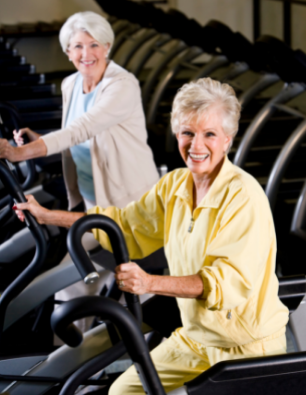
Senior woman using an elliptical machine at home as a low-impact cardio exercise.

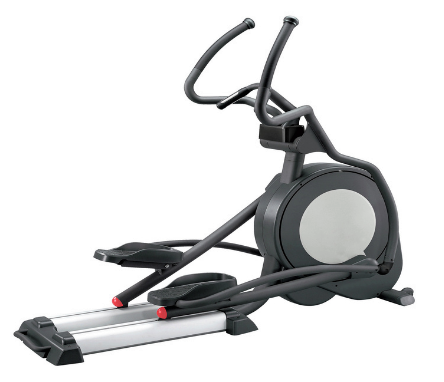
An elliptical machine is fitness equipment that mimics the movements of jogging or walking but without the impact on your joints. Your feet stay on pedals that move in an oval (elliptical) pattern, while most machines also have moving arm levers that work your upper body simultaneously.

Why It’s Great for Seniors:

The elliptical provides excellent cardiovascular conditioning while being very gentle on joints – even professional athletes use them for low-impact training. You can burn more calories and exercise longer on an elliptical compared to some other cardio equipment because the reduced impact allows you to keep going. It also provides a full-body workout when you use the arm levers, engaging more muscle groups than stationary cycling.

How to Get Started:

Begin with just 5-10 minutes at low resistance and a comfortable pace. Focus on getting accustomed to the motion before worrying about speed or intensity. As you build confidence and endurance, gradually increase your session time. You can adjust both speed and incline (on machines with this feature) to vary your workout intensity.

Equipment Recommendations:

  • Home elliptical machine (look for models with sturdy handrails and low step-on height for easier mounting)
  • Under-desk elliptical for gentle movement while seated (great for those with balance concerns)
  • Gym membership if you prefer using commercial-grade equipment
  • Heart rate monitor to track intensity
  • Water bottle holder attachment

Safety Tips:

Hold the handrails initially until you’re comfortable with the motion. Step on and off carefully when the machine is stopped. Start with forward motion before trying reverse (if available). If you feel dizzy or your heart rate gets too high, slow down or stop. Ensure the machine is on a stable, level surface.

7. Rowing Machine

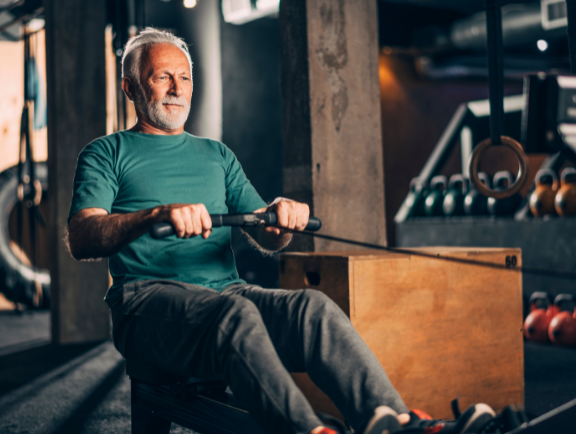
Senior man using a rowing machine at home as a low-impact cardio workout.

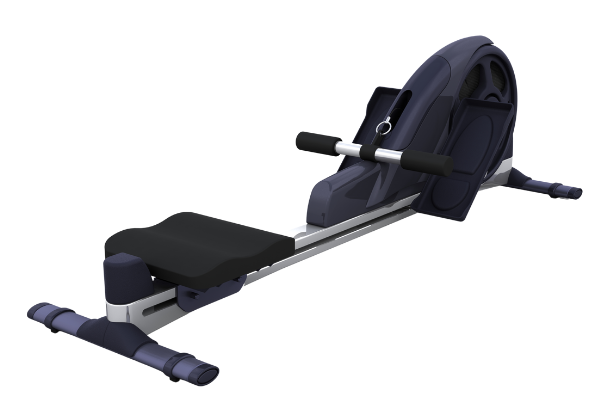
Rowing machines offer an excellent full-body workout that combines cardiovascular conditioning with muscle strengthening. The rowing motion engages your arms, back, core, glutes, and legs while being low-impact and gentle on joints.

Why It’s Great for Seniors:

Unlike many cardio machines, the rower works both the upper and lower body simultaneously, providing comprehensive fitness benefits in one exercise. The smooth, flowing motion is easy on joints while building strength and endurance. You have complete control over intensity – simply adjust the resistance or your rowing speed to make the workout easier or harder.

How to Get Started:

Learn proper rowing form before beginning – many gyms offer instruction, or you can watch tutorial videos. The rowing stroke has four parts: catch, drive, finish, and recovery. Start with just 5-10 minutes at low resistance to learn the motion. Unlike motorized machines, you control the pace entirely with your legs and pulling motion.

Equipment Recommendations:

  • Home rowing machine (water resistance or magnetic models are quieter)
  • Rowing machine apps for guided workouts and motivation
  • Cushioned seat cover for added comfort
  • Heart rate monitor for tracking intensity
  • Water bottle

Safety Tips:

Proper form is crucial to prevent back strain. Keep your back straight, engage your core, and drive with your legs rather than pulling with your back. If you have existing back problems, consult your doctor before using a rowing machine. Start with low resistance and build gradually. If you feel your heart rate getting too high, simply slow down or reduce resistance.

8. Dancing (Zumba Gold, Ballroom, Line Dancing)

Older adults dancing together in a low-impact cardio class for seniors.

Dancing combines cardio exercise with social interaction, music, and fun – making it one of the most enjoyable ways to get your heart pumping. From structured classes to dancing in your living room, there are options for every preference and ability level.

Why It’s Great for Seniors:

Dancing elevates your heart rate while improving balance, coordination, and flexibility. It’s also excellent for cognitive health – learning new steps and sequences challenges your brain. The social aspect of group dance classes can combat isolation and make exercise something you look forward to. Music and rhythm make the workout feel less like work.

Types of Dancing for Seniors:

  • Zumba Gold: Modified Zumba designed specifically for seniors with a slower pace and modified moves
  • Ballroom dancing: Partner dancing including waltz, foxtrot, and swing
  • Line dancing: Group dancing in lines, often to country music
  • Folk dancing: Cultural dances from various traditions
  • Freestyle dancing: Simply moving to music at home

How to Get Started:

Look for senior-specific dance classes at community centers, senior centers, or dance studios. Many offer drop-in classes so you can try before committing. If joining a class feels intimidating, start by dancing at home to your favorite music – even 10 minutes counts. Focus on moving and having fun rather than perfecting steps.

Equipment Recommendations:

  • Supportive dance shoes or comfortable sneakers with good tread
  • Comfortable, flexible clothing that allows movement
  • Dance class membership or online dance videos for seniors
  • Music player or streaming device for home dancing
  • Water bottle

Safety Tips:

Choose classes appropriate for your fitness level. Start with slower-paced dances before trying more vigorous styles. Clear your space of obstacles if dancing at home. Stay hydrated and take breaks when needed. If you have balance concerns, stay near a wall or chair for support initially.

9. Low-Impact Aerobics (Standing or Chair-Based)

Group of seniors participating in low-impact aerobics using chairs for balance and support in a fitness class

Low-impact aerobics involves continuous, rhythmic movements designed to raise your heart rate while minimizing stress on joints. These workouts can be done standing, chair-supported, or fully seated, making them accessible to seniors with different fitness levels and mobility needs.

Why It’s Great for Seniors

  • Improves cardiovascular endurance without pounding joints
  • Can be easily modified for balance, knee, or back concerns
  • Combines cardio with coordination and light strength work
  • Available in classes, videos, and at-home programs
  • Chair-based options allow safe participation for beginners or those recovering from injury

How to Get Started

  • Look for low-impact aerobics or senior cardio classes at the local senior center, YMCA, or community rec center.
  • Choose beginner or “low-impact” labeled classes to avoid jumping or fast transitions
  • At home, follow senior-focused aerobic videos that offer standing and seated options
  • Start with 10–15 minutes and gradually increase duration as endurance improves
  • Focus on continuous movement, not intensity or perfection

Chair Cardio Option (Good to Know)

On low-energy days or if standing feels uncomfortable, chair-based cardio can still count as aerobic exercise when movements are continuous and raise your breathing rate. Examples include:

  • Seated marching
  • Fast arm punches or arm circles
  • Toe taps and heel lifts
  • Seated jacks or coordinated arm-and-leg patterns

If it makes you breathe a little harder and raises your heart rate, it counts.

Equipment Recommendations

  • Supportive athletic shoes (even for chair workouts)
  • Stable chair without wheels or armrests (for seated routines)
  • Exercise mat (optional for standing balance support)
  • TV, tablet, or laptop for following along with videos
  • Light hand weights or resistance bands (optional, for combo cardio-strength workouts)

Safety Tips

  • Avoid jumping, twisting, or fast direction changes
  • Keep movements controlled and within a pain-free range
  • Stay near a wall or chair for balance if standing
  • Take breaks as needed — consistency matters more than intensity
  • Stop if you feel dizziness, chest discomfort, or unusual shortness of breath

Creating Your Weekly Cardio Schedule

Variety is key to staying motivated and working different muscle groups. Here’s a sample weekly schedule incorporating different cardio types:

  • Monday: 30 minutes of outdoor walking
  • Tuesday: 20 minutes stationary bike or elliptical
  • Wednesday: Water aerobics class (45-60 minutes)
  • Thursday: 30 minutes indoor walking video
  • Friday: 25 minutes rowing machine or swimming
  • Saturday: Dancing class or home dance session (30 minutes)
  • Sunday: Rest day or gentle 15-minute walk

Remember, you can break up your 30-minute sessions into shorter 10-15 minute bursts throughout the day if that works better for your schedule and energy levels.

Don’t Forget Strength Training:

In addition to cardio, most health experts recommend adding muscle-strengthening activities at least two days per week. This doesn’t need to be complicated—simple exercises like chair squats, wall push-ups, resistance bands, or light hand weights can help maintain muscle, protect joints, and support balance as you age. These sessions can be done on the same day as cardio or on rest days, depending on your energy level.

How to Track Your Progress

Tracking your cardio activity helps you stay motivated and see improvement over time. Here are simple ways to monitor your progress:

For Walking:

  • Count steps with a pedometer or fitness tracker
  • Track distance and time
  • Note how you feel (energy level, difficulty level)

For Cycling, Elliptical, or Rowing:

  • Record duration, distance, and resistance level
  • Track calories burned (if machine displays this)
  • Monitor heart rate

For Swimming or Water Aerobics:

  • Count laps or note time spent exercising
  • Record which strokes or movements you performed
  • Note pool sessions per week

For Dancing or Low-Impact Aerobics:

  • Track class attendance or home session frequency
  • Record duration
  • Note new skills or patterns learned

General Tracking:

  • Keep a simple journal or use a fitness app
  • Note how you feel before and after exercise
  • Track improvements in daily activities (stairs feel easier, more energy, etc.)
  • Monitor resting heart rate over time (it should decrease as fitness improves)

Understanding Your Target Heart Rate (Simple & Safe)

While exercising, it’s helpful to know whether you’re working hard enough to benefit your heart—without overdoing it. One of the simplest and safest ways to judge intensity is the talk test.

During moderate-intensity cardio, you should be able to talk but not sing. You’ll feel like you’re working, your breathing will be faster, but you shouldn’t feel completely out of breath. For most seniors, this level of effort is ideal.

If you prefer a more numerical guideline, you can estimate your target heart rate zone:

  • Estimated maximum heart rate: 220 minus your age
  • Moderate-intensity zone: 50–70% of your maximum heart rate
  • Vigorous-intensity zone: 70–85% of your maximum heart rate

Example:
If you’re 70 years old:

  • Estimated maximum heart rate: 150 beats per minute
  • Moderate zone: 75–105 beats per minute
  • Vigorous zone: 105–128 beats per minute

Most seniors should aim for the moderate-intensity zone unless a healthcare provider has cleared them for more vigorous exercise.

Important to know: Heart-rate formulas are estimates, and certain medications (such as beta blockers) can affect heart-rate response. That’s why the talk test is often the most reliable and practical tool for seniors. If you can talk comfortably but wouldn’t want to sing, you’re likely exercising at a safe and effective intensity.

Many fitness trackers and smartwatches can monitor heart rate automatically, but they should be used as guides, not strict rules. Always listen to your body.

Safety Guidelines & When to Stop

Listen to your body and stop exercising immediately if you experience:

  • Chest pain or pressure
  • Severe shortness of breath
  • Dizziness or lightheadedness
  • Unusual or rapid heartbeat
  • Nausea
  • Pain in your arms, jaw, or back
  • Excessive fatigue

Seek immediate medical attention if these symptoms don’t resolve quickly with rest.

General Safety Tips:

  • Always warm up for 5 minutes before cardio (gentle movement)
  • Cool down for 5 minutes afterward (slower pace, stretching)
  • Stay hydrated – drink water before, during, and after exercise
  • Exercise at times when you have the most energy
  • Wear appropriate clothing and footwear
  • Exercise in safe, well-lit environments
  • Tell someone about your exercise plans
  • Start slowly and build gradually
  • Take rest days to allow recovery

❓Frequently Asked Questions: Cardio for Seniors

Staying active gets more important—not harder—with age. These FAQs break down how to get started and stay safe.

How much cardio should seniors aim for each week?

Most health guidelines recommend that seniors aim for at least 150 minutes of moderate-intensity cardio per week, such as brisk walking, swimming, or cycling. This can be broken into 30 minutes a day, five days a week, or shorter 10–15 minute sessions. For overall fitness, muscle-strengthening activities are also recommended at least two days per week.

What’s the safest type of cardio for seniors with joint pain?

Low-impact exercises like water aerobics, swimming, recumbent cycling, and walking on even surfaces are ideal for seniors with joint pain or arthritis. These activities improve heart health while minimizing stress on the knees, hips, and back. Water-based exercise is especially gentle because buoyancy supports body weight.

Can seniors do cardio at home?

Yes. Indoor walking videos, stationary bikes, elliptical machines, rowing machines, and dancing are all effective at-home cardio options. Many require minimal space or equipment, making them easy to fit into a daily routine.

Is walking considered good cardio for seniors?

Absolutely. Walking is one of the best and most accessible forms of cardio for seniors. It improves heart health, balance, bone strength, and mood while being gentle on joints. Walking poles or Nordic walking sticks can provide added stability and increase upper-body engagement.

How can seniors make cardio part of their routine?

Start small—just 5 to 10 minutes a day—and build up gradually. Consistency matters more than intensity. Choosing enjoyable activities, exercising at the same time each day, and adding social elements like walking with a friend can help make cardio a lasting habit.

What’s the difference between moderate and vigorous cardio for seniors?

Moderate-intensity cardio allows you to talk but not sing, such as brisk walking or casual cycling. Vigorous cardio makes it hard to say more than a few words, like swimming laps or fast cycling. Most seniors should focus on moderate intensity unless cleared by a healthcare provider.

Can cardio help with balance and fall prevention?

Yes. Many cardio activities—especially walking, dancing, water aerobics, and low-impact aerobics—improve balance and coordination. These movements strengthen stabilizing muscles and help the body adapt to changes in position, reducing fall risk over time.

Should I do cardio before or after strength training?

Either order is fine. Many people prefer doing strength training first so muscles are fresh, followed by cardio. The most important factor is consistency—doing both regularly matters more than the order.

What heart rate should seniors aim for during cardio?

A general guideline for moderate-intensity cardio is 50–70% of your estimated maximum heart rate, calculated as 220 minus your age. For example, a 70-year-old would aim for about 75–105 beats per minute. The simple talk test is also effective—you should be able to talk but not sing.

Do I need special equipment to start doing cardio?

No. Walking requires only comfortable shoes, and activities like dancing or low-impact aerobics need minimal space. Optional equipment such as a fitness tracker, stationary bike, or resistance bands can enhance your workouts, but it’s best to start simple and build over time.

Final Thoughts

The benefits of cardiovascular activity are numerous and essential for healthy aging. Regular cardio exercise improves heart health, maintains independence, boosts mood, and enhances quality of life.

The nine types of cardio covered in this guide—outdoor walking, indoor walking, cycling, swimming, water aerobics, elliptical training, rowing, dancing, and low-impact aerobics—offer something for nearly every fitness level and mobility need.

However, remember that a well-rounded fitness routine includes more than just cardio. For optimal health, try to incorporate strength training, stretching for flexibility, and balance exercises throughout your week.

The most important thing is finding activities you enjoy and can sustain over time. You might love cycling but dislike rowing – that’s perfectly fine! Mix and match to create a routine that keeps you engaged and active.

So what’s it going to be? Will you start with a morning walk around the neighborhood? Join a water aerobics class? Dust off that old stationary bike? You can even alternate between different activities throughout the week to keep things interesting.

With these nine cardio options to choose from, you can stay active, healthy, and strong in your golden years. The best time to start is today – even just 10 minutes makes a difference!

What type of cardio exercises do you include in your day? Have you tried any of these activities? Share your experiences in the comments below!


Discover more from Living Your Senior Life

Subscribe to get the latest posts sent to your email.