LivingYourSeniorLife is supported by its audience. When you purchase through links on our site, we may earn a small affiliate commission at no cost to you. Learn more.
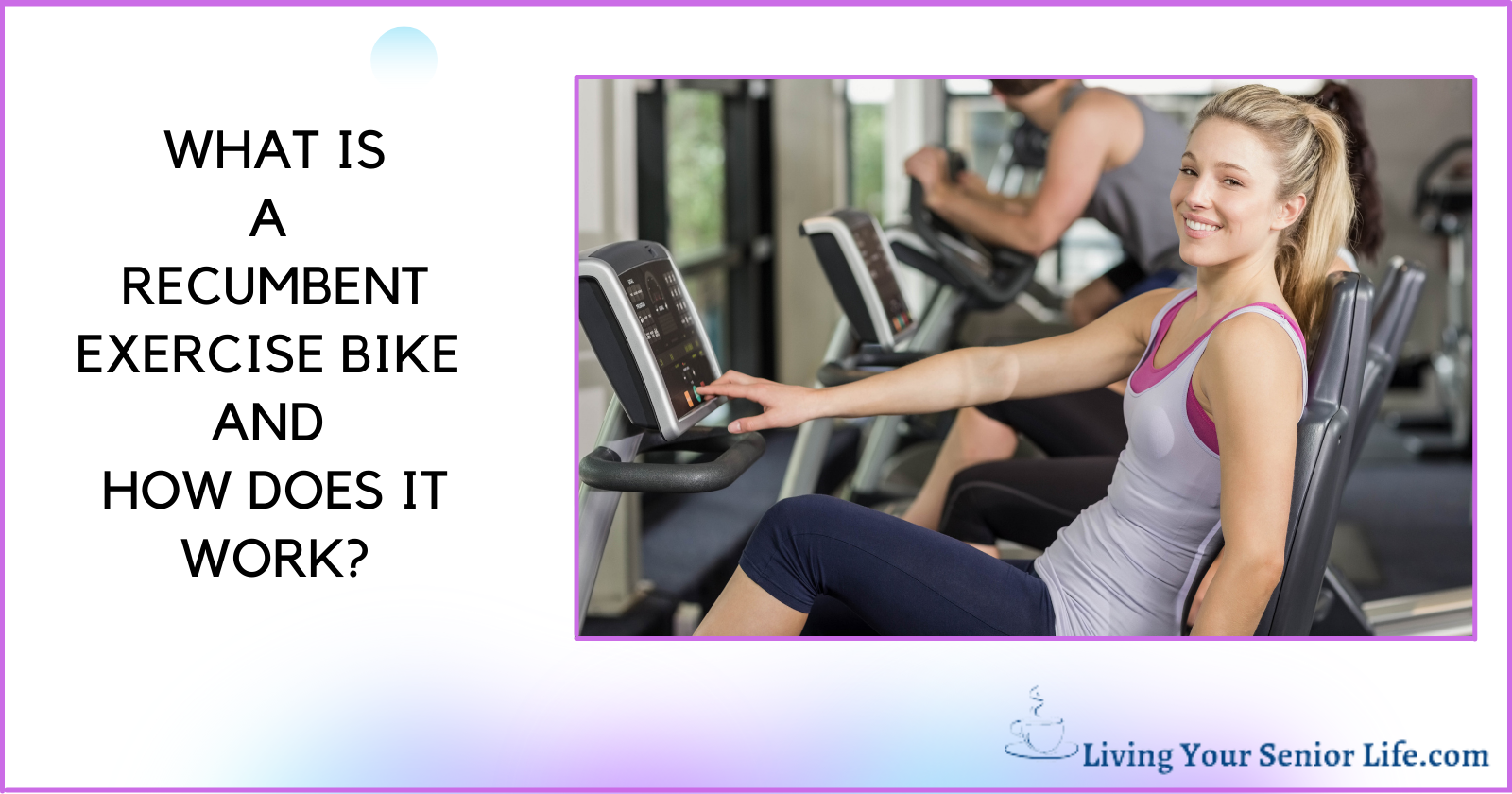
If you’re exploring low-impact exercise options that prioritize comfort and ease of use, recumbent exercise bikes may capture your interest. These bikes differ from traditional upright bikes in that they feature a reclined seating position which can alleviate pressure on the lower back and minimize joint strain. With a larger seat and a low center of gravity, recumbent bikes support your fitness journey regardless of fitness level, offering both cardiovascular benefits and a means to pursue specific fitness goals while putting less stress on your body.
Recumbent bikes appeal to a wide range of people, including those with mobility issues or who require less pressure on their joints during a workout. This type of stationary bike allows for a recumbent bike workout that engages different muscle groups, from lower body muscles to core muscles, without the high impact associated with many other forms of cardio workout. Whether you’re pursuing weight loss, muscle strength improvement, or enhanced cardiovascular health, this ergonomic exercise equipment could be the great option you’ve been looking for to add to your home gym.
In this article, we’ll explore the differences between recumbent and upright exercise bikes, the benefits of using a recumbent bike, and who might benefit most from this type of exercise equipment.
Always consult your physician or other healthcare provider before changing your diet or starting an exercise program.
Key Takeaways:
- Recumbent exercise bikes offer a low-impact, comfortable workout option.
- They are ideal for people with joint pain or mobility issues.
- When choosing a recumbent bike, look for features like adjustable resistance levels and a comfortable seat.
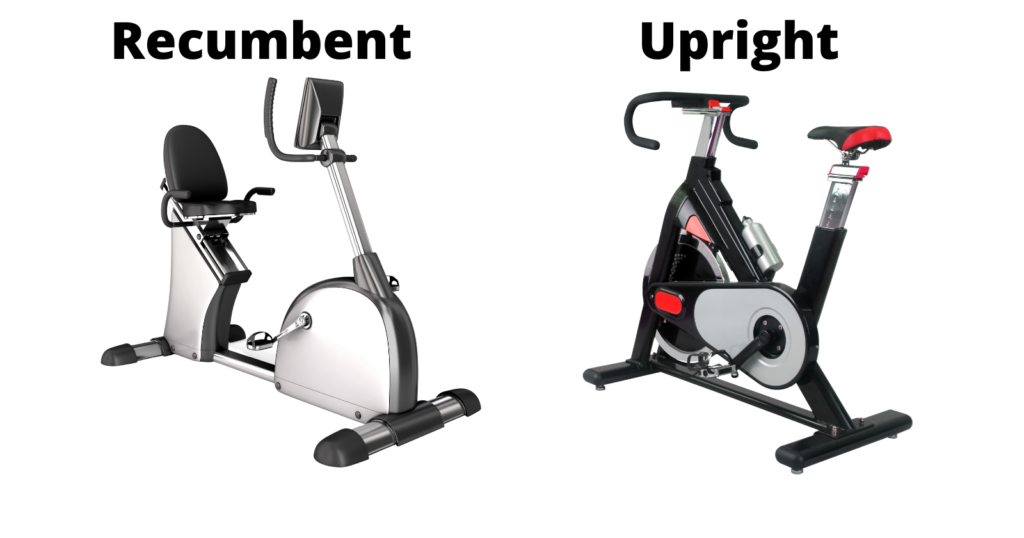
Similarities of Recumbent and Upright Exercise Bikes
There are two types of indoor stationary exercise bikes: Upright Exercise Bikes and Recumbent Bikes. What are the similarities?
Recumbent exercise bikes and traditional upright bikes are excellent choices for enhancing cardiovascular fitness in your home gym. Both share the benefit of a low-impact workout, which is an effective way to engage different muscles with less stress on your joints. These stationary bike options cater to personal preferences, letting you either sit in a comfortable reclined position or adopt the conventional upright position.
Recumbent bicycles place less strain on your lower back, making them a great way to exercise for individuals with back or joint pain, while many fitness enthusiasts find upright exercise bikes better for high-intensity workouts due to the traditional riding position that allows for high speed. Both exercise equipment choices come with added features like heart rate monitoring and are suitable for weight loss and muscle strength gains. If you have mobility issues, you might find the recumbent position with its step-through design to be the best option, offering a secure and comfortable workout experience.
Whether you select the best recumbent exercise bike with its larger seat and ergonomic design or prefer the best exercise bikes in the upright category, you’ll find adjustable resistance levels that cater to your fitness level and goals. The workouts impact lower body muscles and can also involve the upper body to varying degrees.
Video: What Is A Recumbent Exercise Bike And How Does It Work?

Benefits of Recumbent Bikes
When it comes to stationary bikes, recumbent bikes offer several benefits that make them an excellent choice for fitness enthusiasts. Here are some of the main advantages of using a recumbent bike:
Enhanced Seating Comfort
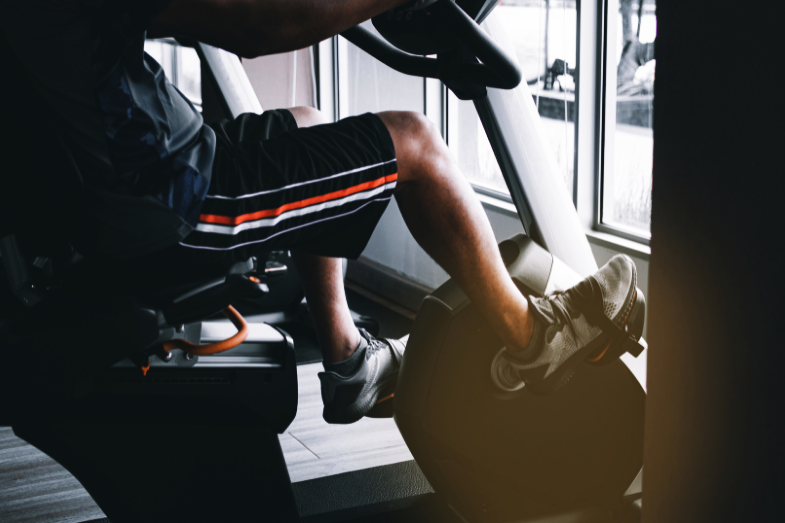
Your experience on a recumbent exercise bike starts with the generous, supportive seat that cradles your lower back, unlike traditional upright bikes. The reclined seating position shifts the weight off your sit bones onto a larger seat surface, reducing strain on your lower back (lumbar spine) and distributing your body weight evenly. While you pedal, the ergonomic design supports a comfortable posture, boosting your workout endurance.
- Seat Features: Wide & cushioned
- Body Position: Supported & reclined
Joint-Friendly Exercise
Recumbent bikes are a stellar option for maintaining fitness levels while imposing less stress on joints. The bike’s design encourages a reclined body form, aligning your spine and relieving pressure on the knees and hips during a low-impact workout. This takes the strain off these areas of your body which are commonly tight and sore after riding upright bikes. This aspect is especially crucial for individuals experiencing joint pain or rehab after injury. Additionally, the reclined position of a recumbent bike allows for a greater range of motion, which can be helpful for people with limited flexibility or mobility issues.
- Muscle Engagement: Lower body muscles are used without strain
- Spinal Alignment: Ergonomic and supportive of the natural curvature of the spine
Easier On and Off
Ease of access is a clear benefit, especially if mobility issues are a concern. The step-through design is inviting without the high risk of injury when mounting or dismounting. The lower center of gravity grants stability, empowering you to start and complete your cardio workout confidently, regardless of personal mobility challenges.
- Accessibility Feature: Step-through design for safe mounting
- Stability Aspect: Lowered center of gravity for balanced seating
In your pursuit of cardiovascular fitness or weight loss goals, a recumbent bike workout provides an effective way, catering to a range of personal preferences while prioritizing comfort and muscular health. With adjustable resistance levels, you can tailor your workout intensity, making it a compelling piece of exercise equipment for your home gym.
Overall, recumbent bikes offer a comfortable and versatile option for low-impact exercise. Whether you’re looking to improve your fitness level, strengthen your muscles, or simply enjoy a comfortable ride, a recumbent bike may be the perfect choice for you.
What Are The Disadvantages of Using A Recumbent Bike?
While recumbent exercise bikes offer many benefits, they may not be suitable for everyone.
- Lower Workout Intensity: Compared to upright exercise bikes, the recumbent position may result in a less vigorous cardio workout, which could lead to fewer calories burned.
- Space Requirements: The bulky frame of recumbent bikes might be cumbersome for home gyms with limited space.
- Comfort Issues: For some, the reclined seating position might cause discomfort or back pain instead of alleviating it.
- Safety Concerns: The low position and larger seat could impact your balance, posing a risk especially for older adults or those with mobility limitations.
- Limited Upper Body Engagement: These bikes emphasize lower body muscles and place less strain on the upper body, potentially neglecting your complete fitness goals.
Does a Recumbent Bike Give You A Good Workout?
Recumbent exercise bikes distinguish themselves with a reclined seating position that delivers a low-impact workout, advantageous for those with joint pain. The design allows for a more extensive range of motion, especially beneficial to your lower body muscles, including the quadriceps, hamstrings, and calf muscles. Unlike a spin bike or upright exercise bike with a smaller seat, recumbent bicycles often feature a high level of comfort from a more substantial, ergonomic seat supporting the lower back.
In a recumbent bike workout, the resistance levels are adjustable, which caters to any fitness level and aids in incrementally reaching your fitness goals. This stationary bike is not just about leisurely pedaling; the option to ramp up the resistance means you can intensify your cardio workout without sacrificing proper form. It’s a good option for an effective workout, targeting different muscles with less strain on your joints.
Your recumbent bicycle also plays a role in cardiovascular health. With your heart rate up, this form of cardiovascular exercise aids in weight loss and enhances cardiovascular fitness. A good workout on the best recumbent exercise bike can also strengthen core muscles and boost muscle strength overall.
For those with back issues or balance problems, the lower center of gravity and larger seat provide stability and less pressure on the spine. The recumbent position means better support and less risk of injury, making it a great way to maintain a fitness routine. This exercise equipment is also perfect for small spaces, with many models designed for easy storage.
When using a recumbent exercise bike, consider personal preferences for a comfortable workout, such as watching shows or listening to music. The best exercise bikes often come with features like Bluetooth connectivity, allowing for a custom workout experience according to your comfort level.
Key Advantages:
- Ergonomics: Reclined position, ample back support, comfortable seat
- Versatility: Benefits users with mobility limitations to fitness enthusiasts
- Intensity: Adjustable resistance levels for light to high-intensity workouts
- Safety: Low impact on joints, reduced risk of injury, ideal for rehab patients
Ultimately, whether it’s for home gym equipment or a staple at your local gym, recumbent bicycles are an excellent choice for anyone committed to their fitness journey.
Who Are Recumbent Exercise Bikes Good For?
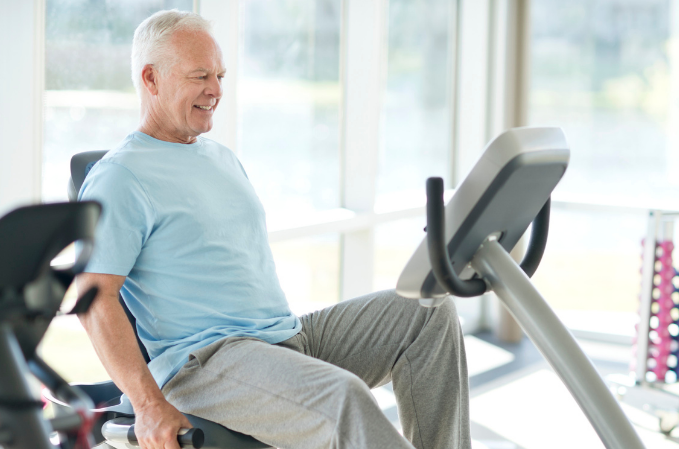
Recumbent exercise bikes are a great choice for people of all ages and fitness levels. They are especially beneficial for seniors, those who are recovering from an injury, and people with balance issues. They can also be used to manage blood pressure levels and other conditions that would make riding an upright bike too strenuous. If you have limited mobility, recumbents are some of the easiest stationary bikes to use since you don’t have to move or adjust them very much at all. You just sit down and pedal.
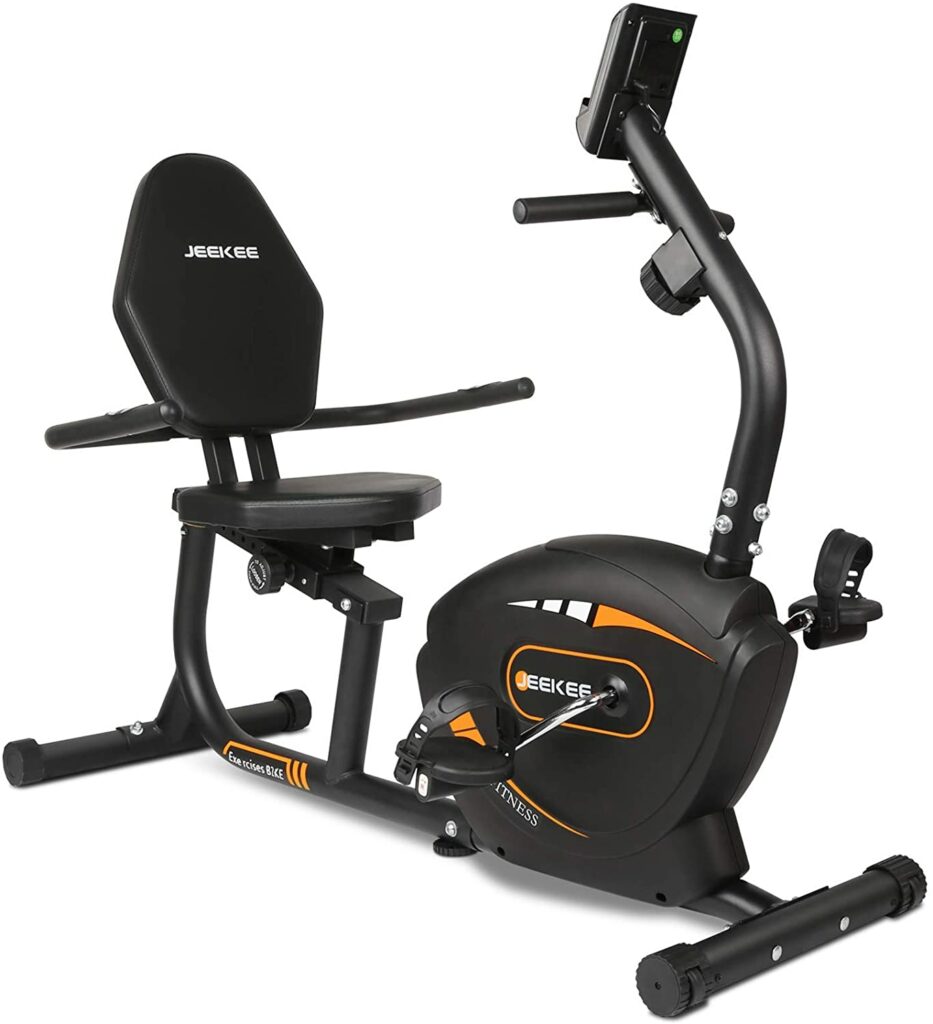
JeeKee Recumbent Stationary Bike
Over 4000 Amazon Reviews
- Low-Impact Workout
- Helps Reduce Stress on Lower Back
- Helps Improve Cardiovascular Health
If you click this link and make a purchase, we earn a commission at no additional cost to you.
What Features To Look For When Purchasing A Recumbent Exercise Bike
When purchasing a recumbent exercise bike, there are several factors to consider. Purchasing a recumbent bike with these factors in mind will cater to your specific needs, whether it’s cardiovascular fitness, comfort level, or a robust addition to your workout routine. Here are some of the most important features to look for when buying a recumbent exercise bike.
Budget
It is crucial to establish a budget before investing in a recumbent exercise bike. While affordable options may have a basic setup, they can still be quite effective. On the other hand, pricier models offer advanced features which can enhance your workout.
Key Features
When selecting a bike, consider the features that align with your needs. Look for exercise equipment that offers adjustable resistance levels which are central to customizing your workout intensity. Bikes with magnetic resistance are often quieter and provide a smoother experience. An adjustable seat and ergonomic handlebars contribute to a comfortable workout and proper form.
| Essential Features | Optional Add-ons |
|---|---|
| Magnetic resistance | Media docks |
| Adjustable seat | Water bottle holders |
| Sturdy flywheel | Bluetooth connectivity |
Size and Weight Capacity
Ensure that the recumbent bike supports your body weight and is compatible with your height for a safe and comfortable exercise. The bike should accommodate a full range of motion for both upper and lower body muscles without undue stress on joints.
Types of Workouts/Programs
The best recumbent exercise bikes offer diverse workout programs catering to different fitness levels and goals. Whether you’re engaging in a low-impact workout for joint pain relief or intense cardiovascular workouts for weight loss, having a variety of programs enriches your fitness journey.
Brand
The brand of the bike may be important to you. While you may not have heard of some brands, they may be a perfect match for you. However, you might prefer purchasing a bike manufactured by a well-known name. The quality of the cycle varies between brands, so it’s best to do some research before purchasing.
Warranty
A substantial warranty can safeguard your home gym investment. Many recumbent exercise bikes come with warranties that protect against defects and wear. It’s best to opt for a bike with a favorable warranty on its frame and parts.
FAQs
How does a recumbent exercise bike compare to an upright bike for weight loss?
Both recumbent and upright exercise bikes can help with weight loss, but recumbent bikes may be more comfortable for some users. The reclined position of a recumbent bike can reduce stress on the lower back, which can make it easier to exercise for longer periods. Additionally, recumbent bikes can help to build muscle in the legs, which can help to increase metabolism and burn more calories.
What muscles are worked when using a recumbent exercise bike?
Using a recumbent exercise bike works primarily on lower body muscles, focusing on the quadriceps, hamstrings, calves, and, to a smaller degree, the glutes and core muscles. Through varied resistance levels and seating positions, you can customize your recumbent bike workout to emphasize different muscles.
What should seniors look for in a recumbent exercise bike?
Seniors should look for a recumbent exercise bike that provides a comfortable seating position with good back support. The bike should also have a low step-through height, making it easy to get on and off. Adjustable resistance levels are important, as seniors may need to start with a lower resistance and gradually increase over time. Additionally, a clear and easy-to-read display screen can help seniors track their progress and stay motivated.
Additional Reading

Conclusion
Recumbent exercise bikes, with their ergonomic design and reclined seating position, present an effective way to pursue cardiovascular fitness. They cater to a wide range of users, from beginners to seasoned fitness enthusiasts. Unlike traditional upright bikes, recumbent bicycles support the lower back with a larger seat, offering a comfortable workout.
The larger seat and recumbent position offer less strain on your joints. These bikes are a better option for those with joint pain or mobility issues, ensuring a low-impact workout. These machines are a popular choice not just for amplifying heart rate but also for working different muscles, including those in the lower body muscles and core.
Adjusting resistance levels allows you to customize your workout intensity, supporting your fitness journey whether the goal is weight loss or muscle strength. Recumbent bike workouts can be so comfortable that multi-tasking becomes second nature, allowing you to watch TV or read, ensuring a good workout isn’t hampered by boredom.
With benefits for older adults or rehab patients like less pressure on your abdominal muscles and less risk of injury, stationary bikes such as these shine as the best exercise bikes for a low impact workout. For your home gym, seeking the best recumbent exercise bike means considering your specific needs, comfort level, and fitness goals.
In your quest for cardiovascular workouts or high-intensity workouts, note that recumbent bicycles can be a great way to achieve your aims with less stress on your upper body. When evaluating exercise equipment, such as spin bikes or perfect recumbent bikes, personal preferences play a pivotal role. These bikes suit small spaces while offering free shipping and features like Bluetooth connectivity, contributing to a custom workout that honors your body weight and comfort.
Always consult your physician or other healthcare provider before changing your diet or starting an exercise program.
Do you ride recumbent bikes? What’s your favorite part about recumbent bikes?