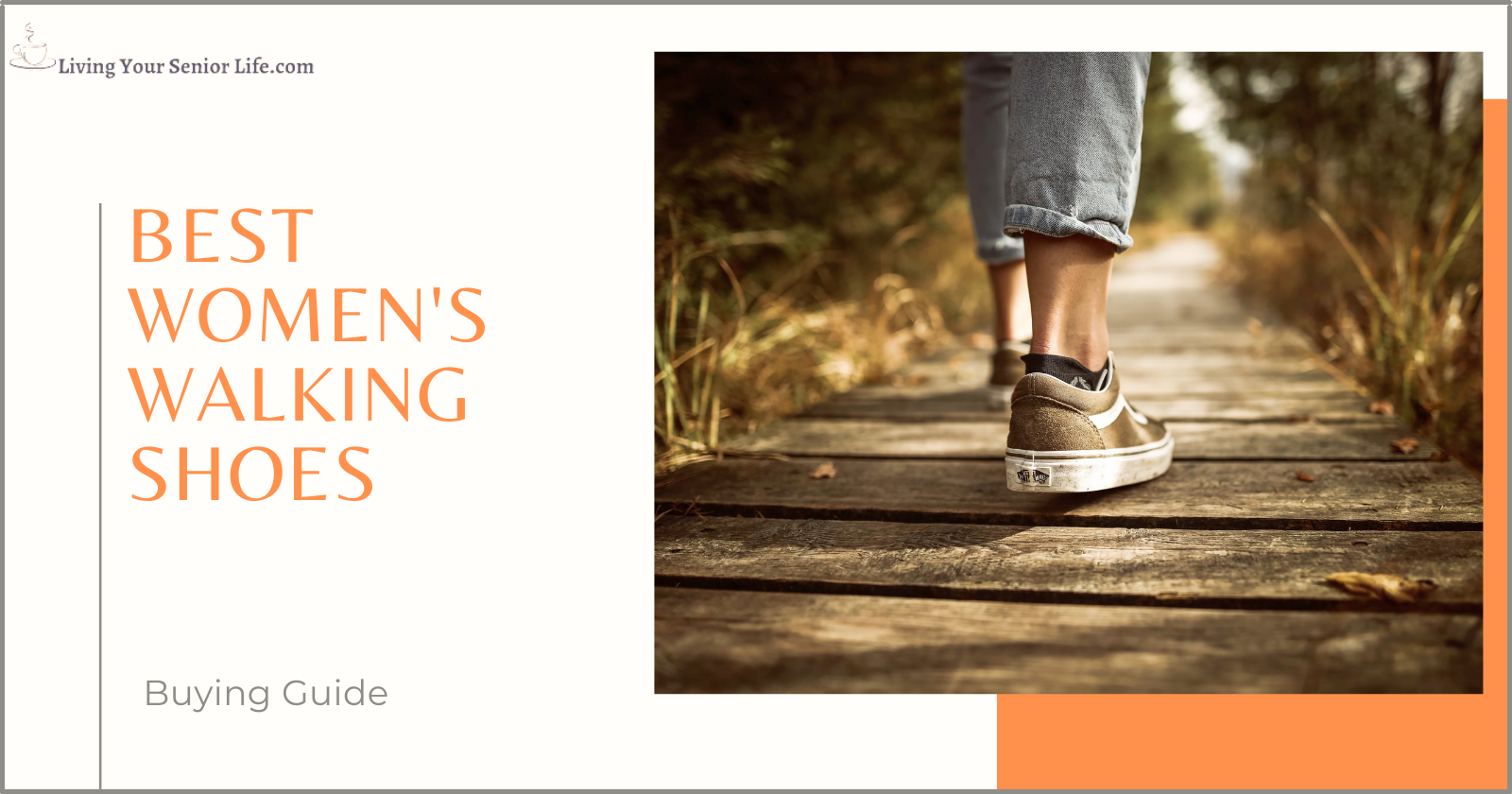
Looking for comfortable women’s walking shoes that support your feet, joints, and balance? In this guide, you’ll find top-rated options for different foot types — including shoes for flat feet, high arches, overpronation, and all-day wear — plus tips to help you choose the best fit for your needs.
LivingYourSeniorLife is supported by its audience. When you purchase through links on our site, we may earn a small affiliate commission at no cost to you. Learn more.
Walking is one of the simplest and most effective ways to support healthy feet and overall wellness. Whether you’re power walking for fitness, exploring your neighborhood, or just running daily errands, the right women’s walking shoes can completely change how you feel. A good pair is designed to provide the support, comfort, and durability you need for longer distances while helping protect your feet, joints, and back from impact and fatigue.
Quick Summary — Best Women’s Walking Shoes
The best women’s walking shoes combine cushioning, support, and a comfortable fit that matches your foot type and walking habits. For most walkers, you’ll want a shoe with a roomy toe box, supportive midsole, and enough cushioning to protect your joints during longer walks or full days on your feet.
Top Picks at a Glance
- Skechers Go Walk Joy – Lightweight, easy on/off slip-on comfort for everyday walking and errands.
- Ryka Devotion Plus 3 – Designed specifically for women’s feet, with excellent cushioning and arch support for fitness walking.
- Reebok Club C 85 – Classic leather sneaker for casual walks and all-day wear when you want style plus comfort.
- Saucony Echelon Walker 3 – APMA-approved leather walker with a roomy fit and strong support for long-distance walking.
- Brooks Addiction Walker 2 – Maximum motion control and stability for overpronation, diabetes, or all-day standing.
Quick Buying Tips
- Match the shoe to your foot type (flat, neutral, or high arches) and width (standard vs. wide).
- Prioritize cushioning and support if you have plantar fasciitis, bunions, or joint pain.
- Look for slip-resistant outsoles and leather uppers if you’ll wear them for work or on slick surfaces.
- Replace your walking shoes about every 300–500 miles (around 6 months) if you walk regularly, or sooner if they feel flat, unsupportive, or uneven.
What Makes Walking Shoes Different?
Walking shoes differ from running shoes in several important ways. Walkers typically land heel-first with each step, while many runners land closer to the midfoot. That means walking shoes need cushioning and support placed a bit differently to keep you comfortable and reduce strain. A good walking shoe should have:
- Flexible forefoot that allows natural foot movement (too stiff can cause shin splints)
- Cushioned heel without excessive flare
- Smooth heel-to-toe transition for comfortable strides
- Supportive midsole tailored to walking mechanics
When you’re searching for the best women’s walking shoes, a few key factors make a big difference. Your foot typewhether you have flat feet, high arches, or a more neutral arch, helps determine which shoes will feel best and offer the right support. A comfortable fit with enough cushioning is especially important if you have wide feet, plantar fasciitis, arthritis, or other foot conditions.
The material matters, too. Breathable mesh uppers work well for warm weather and light, everyday wear, while leather uppers provide more durability and a polished look that often works better for work settings. Features like shock absorption, rocker soles, motion control, and heel drop (the height difference between the heel and the forefoot) are also worth considering. Ultimately, a well-cushioned midsole, roomy toe box, and solid arch support can be a game-changer for everyday wear and longer walks.
Best Women’s Walking Shoes At A Glance
Below is a quick overview of some of the best women’s walking shoes for different needs, from lightweight everyday options to maximum-support motion-control styles. You’ll find a more detailed review of each shoe in the sections that follow.
| Image | Product | Key Features | Best For | Price |
|---|---|---|---|---|
![]() | Skechers Women’s Go Walk Joy | 5GEN cushioning, Air-Cooled Goga Mat, lightweight | All-day comfort, easy on/off | Check Price |
![]() | Ryka Women’s Devotion Plus 3 | Made for women fit, RE-ZORB cushioning, anatomical insole | Women-specific support, fitness walking | Check Price |
![]() | Reebok Women’s Club C 85 Tennis Shoes | Classic style, EVA midsole, terry lining | Casual walks, everyday wear | Check Price |
![]() | Saucony Women’s Echelon Walker 3 | PWRRUN cushioning, APMA approved, leather upper | Maximum support, all-day walking | Check Price |
![]() | Brooks Women’s Addiction Walker 2 | BioMoGo DNA, slip-resistant, motion control | Overpronation, work shoes | Check Price |
Women’s Walking Shoes Product Reviews
Discover the best walking shoes for plantar fasciitis, flat feet, and various foot types. Whether you’re exploring city streets or enjoying neighborhood walks, find a comfortable walking shoe with the cushioning and support you need.
With all products, features can change, so be sure the qualities that attract you to the product are still the same before purchasing.
1. Skechers Women’s Go Walk Joy

A lightweight, comfortable walking shoe that’s ideal for long days on your feet.
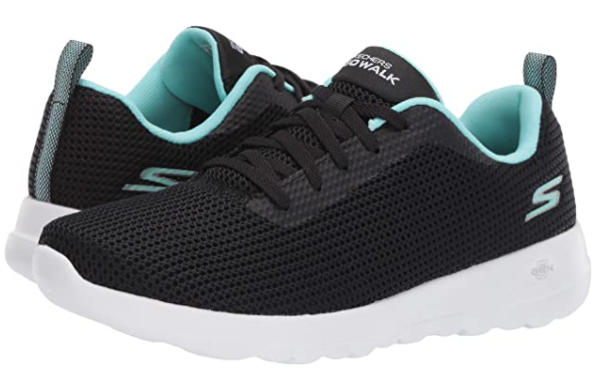
The Skechers Women’s Go Walk Joy collection represents some of the best walking shoes available for all-day comfort. These shoes feature advanced 5GEN cushioning technology that provides responsive comfort with every step. The Air-Cooled Goga Mat insole offers excellent support while keeping your feet cool and comfortable.
Available in multiple styles, including traditional lace-ups and innovative Slip-ins with Heel Pillow technology, these shoes make it easy to get out the door. The breathable mesh upper keeps feet cool in warm weather, while the lightweight design (only 6.8 oz) means you’ll barely feel them on your feet.
For those with flat feet or needing neutral support, these sneakers provide balanced cushioning without excessive arch support. The flexible outsole enhances ground feel and natural foot movement. The wide toe box accommodates foot swelling during long walks, and the stretchy upper materials expand to fit comfortably throughout the day.
These are excellent walking shoes for anyone seeking lightweight comfort without bulk. Perfect for long walks, errands, or casual wear, they excel at preventing foot fatigue. While individuals with high arches might need additional insoles for extra support, and those dealing with severe overpronation may need more structured shoes, these remain a top choice for comfortable everyday walking.
Pros
- Ultra-lightweight at only 6.8 oz
- 5GEN responsive cushioning technology
- Air-Cooled insole keeps feet comfortable
- Slip-in options available for easy wear
- Excellent flexibility and ground feel
- Wide color selection
Cons
- Can be slippery on very wet surfaces
- Limited arch support for high arches
- Not designed for motion control
- May feel too flexible for some walkers
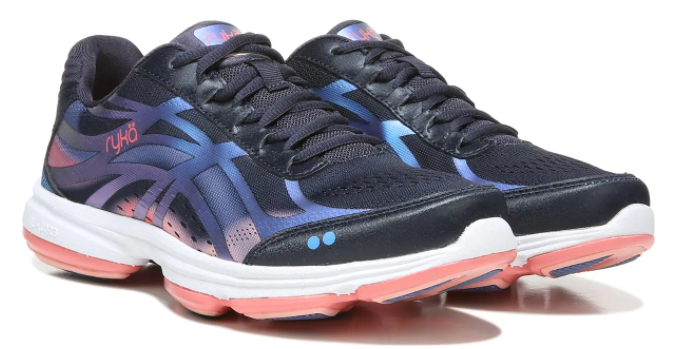
2. Ryka Women’s Devotion Plus 3

Rated #1 by Good Housekeeping and specifically designed to fit a woman’s foot.
The Ryka Devotion Plus 3 Walking Shoe earned top honors from Good Housekeeping’s testing lab as the best overall walking shoe, and for good reason. This shoe is specifically engineered for a woman’s unique foot shape, muscle movement, and build—offering a narrower heel, roomier toe area, and softer foot cushioning calibrated for women’s biomechanics.
The RE-ZORB responsive cushioning provides exceptional shock absorption and impact protection, making it ideal for high-performance fitness walking and long walks. The breathable engineered mesh with iridescent overlays maintains excellent airflow, keeping feet cool even during extended activity.
The anatomical insole with enhanced arch and heel support is especially beneficial for those with high arches or plantar fasciitis. The lightweight EVA midsole and eight-piece rubber outsole ensure durability and reliable traction on various surfaces—perfect for navigating busy streets, parks, or fitness walking routes.
With multiple width options available and a design philosophy focused exclusively on women’s needs, these shoes deliver the support active women require. The lace-up closure allows for a customizable fit, though those with narrower feet may find the regular width runs slightly roomy.
Pros
- Specifically designed for women’s biomechanics
- Exceptional RE-ZORB cushioning for shock absorption
- Anatomical insole with superior arch support
- Breathable materials are ideal for longer walks
- Multiple width options available
- Lightweight yet durable construction
Cons
- Some users find the regular width too wide
- May not suit very narrow feet
- Higher price point than some alternatives
3. Reebok Women’s Club C 85

Timeless court-inspired style meets everyday comfort in this iconic sneaker.
The Reebok Women’s Club C 85 Tennis Shoes are the original white sneakers that defined 1980s court style—and they remain just as relevant today. These classic shoes bring a clean, minimalist aesthetic that works with virtually any casual outfit, from jeans to dresses, making them perfect for those who want walking comfort without the traditional athletic shoe look.
Crafted from supple virgin leather, these shoes offer a soft, flexible upper that molds to your foot over time. The perforated details across the toe provide breathability to keep feet cool during wear. The padded low-cut collar and soft terry cloth lining on the tongue and collar deliver cushioned comfort that feels good all day long.
The die-cut EVA midsole provides excellent shock absorption and impact protection with every step. Combined with the high-abrasion rubber outsole, these shoes deliver reliable traction and durability that lasts.
The non-marking rubber sole means you can wear them anywhere without worry. The removable foam sock liner allows you to customize the fit or add your own orthotic inserts if needed. At a lightweight construction, these sneakers won’t weigh you down during long days of walking or standing. While these shoes excel at casual walking, light errands, and everyday wear, they’re not designed for serious fitness walking or those requiring maximum motion control.
Some users mention going up a half size for the best fit, so consider sizing carefully. The clean, timeless design has made these a favorite across generations—reviewers mention buying multiple pairs and wearing them for years.
Pros
- Iconic, timeless design that never goes out of style
- Soft leather upper for comfort and durability
- Terry cloth padded collar and tongue
- Die-cut EVA midsole for shock absorption
- High-abrasion, non-marking rubber outsole
- Lightweight and breathable
- Removable foam sock liner
Cons
- May need to size up half a size
- Limited arch support compared to dedicated walking shoes
- Not ideal for serious fitness walking or overpronation
- Primarily designed for casual wear
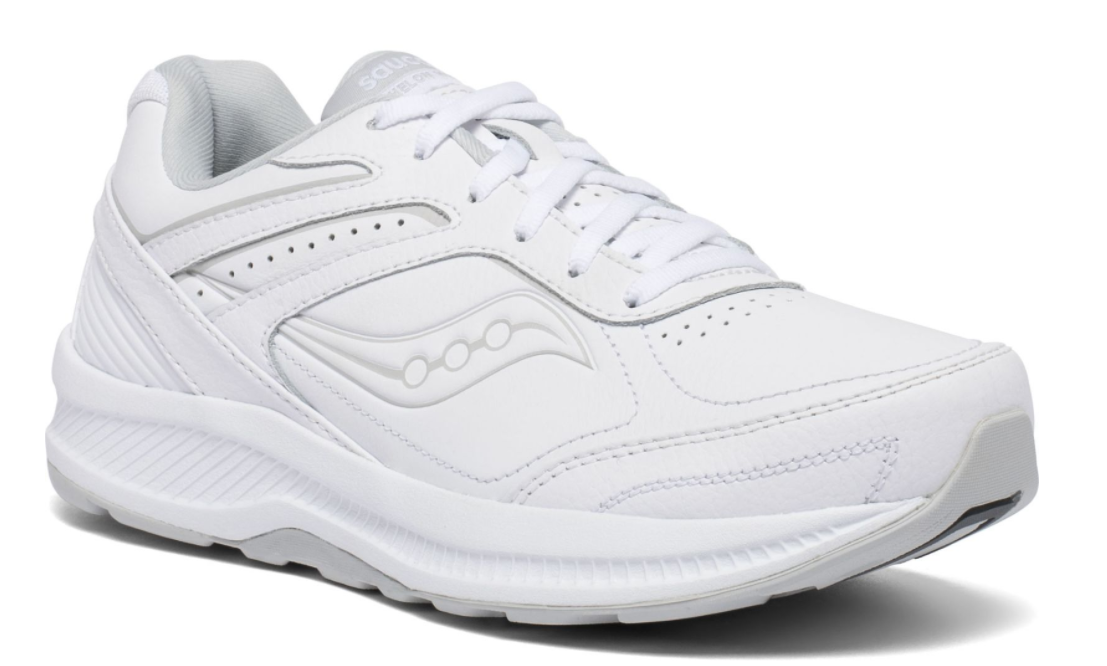
4. Saucony Women’s Echelon Walker 3

An APMA-approved walking shoe that offers exceptional support and cushioning for all-day wear.
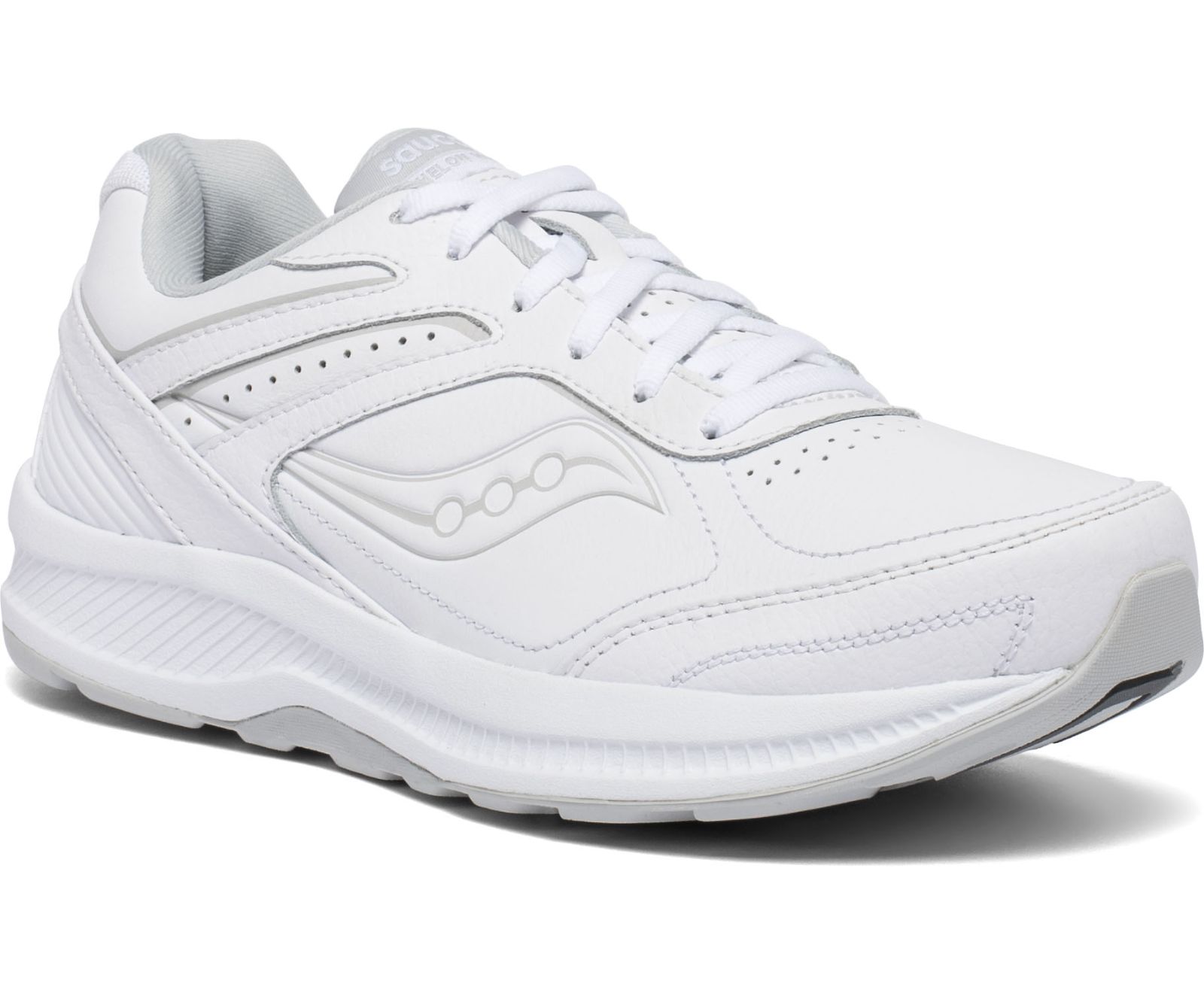
The Saucony Women’s Echelon Walker 3 is a serious walking shoe for those who need reliable, all-day support. This shoe has earned the American Podiatric Medical Association (APMA) Seal of Approval, recognizing its benefits for foot health—a credential that speaks volumes about its supportive design.
Featuring PWRRUN cushioning technology, this shoe delivers a luxurious underfoot feel that won’t break down over time. The cushioning provides excellent shock absorption while maintaining a balanced, stable ride—ideal for long days spent on your feet or extended walking sessions.
The full-grain leather upper ensures durability and provides weather resistance, making these shoes suitable for various conditions. The FORMFIT insole surrounds the foot with customizable comfort that accommodates a wide range of foot shapes. The spacious toe box is particularly welcoming for those with wide feet or bunions.
The Walk-Trac slip-resistant outsole design delivers increased traction, support, and smooth transitions on multiple surfaces. Available in both regular and wide widths, these shoes accommodate different foot shapes. While the styling is more function-focused than fashion-forward, the Echelon Walker 3 excels where it matters most: keeping your feet comfortable and supported mile after mile.
Pros
- APMA approved for foot health benefits
- PWRRUN cushioning for lasting comfort
- Durable full-grain leather upper
- Slip-resistant outsole
- Wide width options available
- Accommodating fit for various foot shapes
Cons
- Styling is more functional than fashionable
- Can feel slightly firm initially
- Limited color selection
- Heavier than lightweight walking shoes
5. Brooks Women’s Addiction Walker 2

Maximum motion control and stability for overpronators and anyone who spends long hours on their feet.
The Brooks Addiction Walker 2 is often considered a gold standard walking shoe when you need maximum support and motion control. This shoe is doctor-recommended and carries the A5500 diabetic-approved code, making it a strong option for those with special foot care needs, diabetes, plantar fasciitis, or severe overpronation.
The standout feature is the Extended Progressive Diagonal Rollbar (PDRB), which strategically positions arch support to guide your body’s natural motion path and prevent excessive inward rolling. The BioMoGo DNA cushioning adapts to your stride, weight, and speed, providing customized comfort that protects your joints with every step.
The full-grain leather upper (also available in suede) offers durability, weather resistance, and a professional appearance suitable for work environments. The outsole is certified slip-resistant (SATRA TMI44:2011), making these excellent for healthcare workers, teachers, retail employees, or anyone who spends long hours on potentially slick surfaces.
Available in multiple widths, including narrow, medium, wide, and extra-wide, Brooks accommodates nearly every foot shape. The generous fit allows room for orthotics or diabetic inserts. While these shoes prioritize function over fashion and may feel slightly firm compared to plush cushioned shoes, they deliver unmatched stability and support.
Pros
- Maximum support with PDRB motion control
- BioMoGo DNA adaptive cushioning
- Certified slip-resistant outsole
- APMA approved and diabetic-friendly (A5500)
- Available in 4 widths
- Durable leather construction
- Accommodates custom orthotics
Cons
- Heavier than lightweight walking shoes
- A more structured feel may take adjustment
- Traditional styling
- Higher price point
- May be too supportive for neutral walkers
Why You Should Invest in Quality Walking Shoes
Investing in a comfortable, supportive pair of walking shoes is essential for enjoying your walks now and protecting your foot health long-term. Today’s walking shoes offer much more than basic comfort—they can provide added stability, motion control, shock absorption, and even better temperature regulation to help keep your feet happy.
Having proper footwear while walking helps:
- Align your body and maintain proper posture
- Cushion every step to reduce joint impact
- Prevent injuries like plantar fasciitis, shin splints, and knee pain
- Reduce fatigue during extended activity
- Support foot conditions like flat feet, high arches, or bunions
Walking has become increasingly popular as a fitness activity, with trends like “cozy cardio,” “hot girl walks,” and the “12-3-30” treadmill method gaining traction. Whether you’re walking for fitness, stress relief, or simply to stay active throughout the day, the right shoes can make every step feel easier and more enjoyable.
Buying Guide for Women’s Walking Shoes
Disclaimer: The information in this article is for general guidance only and is not medical advice. If you have ongoing foot pain, balance concerns, diabetes, or a medical condition, please consult your doctor or podiatrist before choosing footwear.
Understanding Your Foot Type
High Arches: Look for shoes with cushioned midsoles and some arch support. Your foot doesn’t absorb shock as efficiently, so extra cushioning is essential.
Flat Feet: Seek shoes with motion control or stability features. These help control excessive inward rolling (overpronation), common with flat feet.
Neutral Arches: Most shoes will work well. Focus on comfort and your specific needs, like cushioning level or weight.
Wide Feet: Choose shoes with wide toe boxes and available wide width options. Brands like Brooks and Saucony offer multiple width choices.
Key Features to Consider
Cushioning Technology:
- Look for modern cushioning systems like PWRRUN, BioMoGo DNA, or 5GEN technology
- Consider cushioning placement—heel vs. full-foot vs. forefoot emphasis
- Balance cushioning with stability based on your needs
Motion Control & Stability:
- Essential if you overpronate (ankle/arch rolls inward excessively)
- Features like PDRB systems or medial posts control excessive motion
- Not necessary—and may feel uncomfortable—for neutral walkers
Heel Drop:
- Heel drop is the height difference between the heel and the forefoot
- Lower drops (4-8mm) promote natural foot positioning
- Higher drops (10-12mm) can reduce Achilles tendon strain
- Most walking shoes fall in the 8-10mm range
Rocker Soles:
- Curved sole design that promotes smooth heel-to-toe transitions
- Reduces stress on toe joints
- Popular in 2024-2025 walking shoe designs
- Ideal for those with toe joint issues or stiff forefoot
Upper Materials:
- Breathable mesh: Great for warm weather, lightweight
- Leather: More durable, weather-resistant, suitable for work
- Knit materials: Flexible, sock-like fit, accommodates foot swelling
Outsole Features:
- Rubber compounds: Provide durability and traction
- Slip-resistant designs: Important for work environments or wet conditions
- Tread patterns: Deeper patterns for varied terrain, flatter for pavement
Fit and Sizing Tips
Proper Fit Checklist:
- Thumb’s width between the longest toe and the shoe end
- Toes can wiggle freely
- Heel doesn’t slip when walking
- The width feels comfortable without squeezing
- No pressure points across the top of the foot
Sizing Considerations:
- Shop for walking shoes later in the day when feet are slightly swollen
- Consider going up half a size to accommodate foot expansion during walks
- Try shoes with the socks you’ll wear for walking
- Walk around the store or house to test comfort
Special Considerations
For Plantar Fasciitis:
- Look for substantial arch support
- Seek cushioned heel cups
- Avoid extremely flexible or flat shoes
- Consider shoes marked APMA-approved
For Bunions:
- Choose wide toe boxes
- Soft, flexible upper materials
- Avoid narrow, pointed toe shapes
- Wide-width options are beneficial
For Long-Distance Walking:
- Prioritize lightweight construction
- Ensure adequate cushioning
- Test for no pressure points
- Consider breathability for temperature regulation
For Work/All-Day Standing:
- Look for slip-resistant outsoles
- Choose maximum cushioning
- Consider motion control if needed
- Leather uppers for a professional appearance
How to Care for Your Walking Shoes
Walking shoes can be made from many different materials, and each one may require slightly different care. It’s important to clean your shoes according to their materials and the manufacturer’s recommendations so they last as long as possible and continue to feel comfortable.
Cleaning by Material
Mesh Walking Shoes:
- Can often be machine-washed on a gentle cycle
- Or clean with a damp cloth and mild soap
- Air dry completely—avoid direct heat
- Remove insoles for separate cleaning
Leather Walking Shoes:
- Use leather care products specifically designed for athletic footwear
- Wipe clean with a damp cloth
- Condition periodically to prevent cracking
- Polish for professional appearance
Suede Walking Shoes:
- Use a suede brush to remove dirt
- Apply suede cleaning products as needed
- Protect with water-repellent spray
- Avoid stiff-bristled brushes that can damage the nap
Extending Shoe Life
- Rotate between two pairs to allow cushioning to recover
- Remove shoes without crushing the heel counter
- Store in a cool, dry place away from direct sunlight
- Use shoe trees to maintain shape
- Replace insoles periodically for fresh cushioning
FAQ’s for Women’s Walking Shoes
Can you wear walking shoes for activities other than walking?
Walking shoes are designed specifically for walking, with cushioning and traction that support a heel-to-toe walking motion. They’re not ideal for running (which needs different impact support) or hiking (which requires stronger tread and ankle stability). However, they work well for standing, everyday errands, travel, and light gym activities where support and comfort are the priority.
How often should you replace walking shoes?
If you walk regularly, most walking shoes should be replaced every 300–500 miles or about every 6 months — whichever comes first. You may need to replace them sooner if you notice:
– worn or smooth outsole tread
– flattened or compressed cushioning
– fabric separating or seams loosening
– shoes feeling less supportive or comfortable
– increased foot, knee, or leg fatigue
How much room should there be in the toe box of a walking shoe?
There should be about a thumb’s width (around ½ inch) between your longest toe and the front of the shoe. Your toes should be able to wiggle and bend without touching the end. Too much space can cause friction and blisters, while too little space may lead to toe pain or bruised toenails.
Are expensive walking shoes worth the money?
In most cases, yes. Quality walking shoes (typically $80–$150) usually provide:
– Better cushioning that lasts longer
– Superior arch support and stability
– More durable materials and construction
– Multiple width options for a better fit
– Improved comfort and reduced injury risk
Cheaper shoes may wear out faster and provide less support, which can lead to discomfort over time.
What are the best walking shoes for plantar fasciitis?
The best walking shoes for plantar fasciitis provide strong arch support, firm heel stability, and cushioned heel impact protection. Look for shoes with a supportive midsole, structured heel cup, and shock-absorbing cushioning to help reduce heel pain and strain on the plantar fascia. Motion-control or stability shoes are especially helpful if you overpronate (your foot rolls inward). Avoid very flat or overly flexible shoes, as they can increase discomfort.
Are walking shoes good for seniors who have balance problems?
Yes — supportive walking shoes can help improve stability, posture, and confidence while walking, especially for seniors concerned about balance. Look for shoes with a wide, stable base, slip-resistant outsoles, a secure heel fit, and moderate cushioning (not overly soft). Shoes with motion-control features or firmer midsoles may also help reduce wobbling and improve support during each step.
Is it better to size up in walking shoes?
In many cases, going up ½ size can provide a more comfortable fit, especially if your feet swell during walking or you wear thicker socks or orthotics. You should still make sure the shoe isn’t loose in the heel. Aim for about a thumb’s width of space at the front of the toe box and a secure but comfortable fit across the midfoot and heel. If the shoe feels tight anywhere, it’s usually best to size up or choose a wide-width option.
What is the difference between walking shoes and running shoes?
Walking shoes are designed for a heel-to-toe walking motion, with cushioning and flexibility placed differently than in running shoes. Runners need more shock absorption in the midfoot and forefoot, while walkers need heel cushioning, flexibility in the forefoot, and smoother heel-to-toe transitions. You can walk in running shoes, but dedicated walking shoes often provide better comfort, stability, and support for regular walking.
Conclusion
Choosing from the best women’s walking shoes comes down to understanding your unique foot type, walking habits, and support needs. Whether you need maximum motion control like the Brooks Addiction Walker 2, a women-specific fit like the Ryka Devotion Plus 3, lightweight comfort like the Skechers Go Walk Joy, APMA-approved support like the Saucony Echelon Walker 3, or classic style like the Reebok Club C 85, there’s a walking shoe that can fit comfortably into your lifestyle.
Your health is the most important part of the equation. A good pair of walking shoes increases comfort, reduces injury risk, and helps you log more enjoyable miles, whether you’re power walking for fitness, exploring new places, or simply staying active throughout your day. With the right shoes on your feet, you can spend less time worrying about aches and pains and more time enjoying life out in nature, around your neighborhood, or wherever your walks take you.
With all products, features can change, so be sure the qualities that attract you to the product are still the same before purchasing.
Discover more from Living Your Senior Life
Subscribe to get the latest posts sent to your email.