As you age, it’s easy to focus on the negative aspects of getting older, but have you ever considered the benefits? In fact, science tells us that older people are happier and more fulfilled than their younger counterparts. Age liberates us from many of life’s pressures and gives us more time to pursue our dreams.
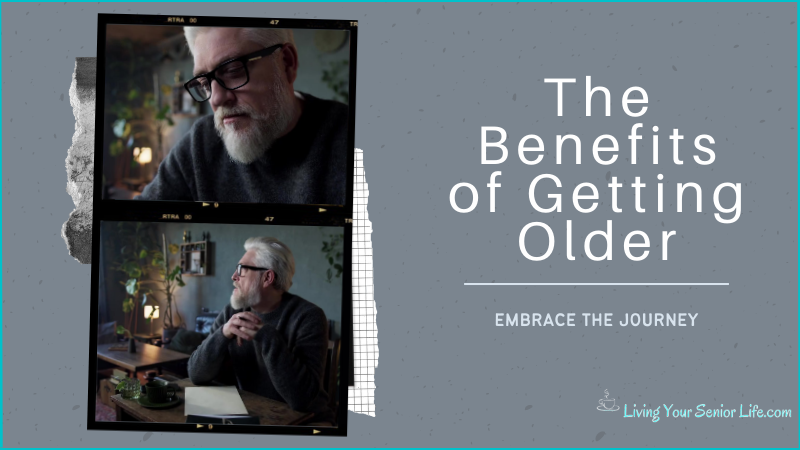
In this article, we will explore the various benefits of getting older, from increased wisdom and self-worth to more comfortable relationships with all age groups and fewer mandatory obligations. We will also provide tips for aging gracefully and answer some frequently asked questions about aging. Read on to discover why getting older can be a positive experience.
Key Takeaways:
- Getting older can lead to increased wisdom and self-worth.
- With age comes more comfortable relationships and fewer mandatory obligations.
- Tips for aging gracefully can help you embrace the journey.
Increased Wisdom
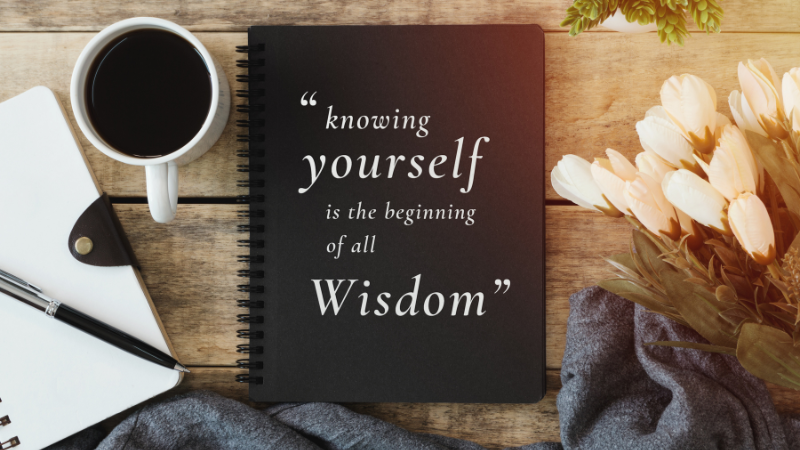
As people age, their life experiences can make them wiser. This process of gaining wisdom is complex and nuanced. Your brain’s cognitive functioning and memory play a crucial role in this process. With each passing year, you gain more insight and understanding, allowing you to make better decisions.
Reflecting on past mistakes and experiences can help you gain wisdom. By learning from these experiences, you equip yourself to make wise choices. Spend time reflecting on your experiences and the lessons they teach you. This reflection is essential for gaining wisdom.
In addition to learning from your own experiences, you can gain wisdom from the experiences of others. Listening to the stories of older individuals can provide valuable insights and perspectives. By embracing the journey of aging, you can continue to grow wiser and make the most of your life experiences.
Make Fewer Foolish Mistakes
As you age, you gain the ability to draw from past experiences, allowing you to make better decisions and avoid foolish mistakes. This can help you maintain healthier relationships and make more informed choices. Additionally, you gain more confidence in your own judgment, which makes you less likely to be influenced by others. With age comes the wisdom to know when it’s time to take risks and when it’s best to stay safe. This valuable life lesson will serve you well and can help you avoid making foolish mistakes.
Video: The Benefits of Getting Older

More Comfortable With Being Yourself
As you age, you become more comfortable in your own skin. You stop worrying about what other people think and begin to appreciate your unique qualities. This newfound confidence and freedom allow you to make decisions based on your own preferences, rather than worrying about other people’s reactions. You learn to value your own values and priorities and find fulfillment in your life.
In essence, aging allows us to become our true, authentic selves. This self-acceptance also makes us more accepting of others and happier with ourselves.
As we age, we also have a better understanding of who we are and our worth. We learn to appreciate life more and recognize our own strengths. With this newfound appreciation of ourselves comes a higher sense of self-worth.
As a result, we become more confident in our decisions, knowing we have the experience to back them up. We also become less afraid of failure, knowing that we will still be able to pick ourselves up again.
Here are some ways in which older adults become more comfortable with being themselves:
- They stop trying to impress others and focus on what makes them happy.
- They learn to say “no” to things that don’t align with their values or priorities.
- They become more assertive and confident in expressing their opinions and needs.
- They develop a stronger sense of identity and purpose.
- They focus on their strengths and accomplishments, rather than dwelling on their weaknesses or failures.
Overall, aging can bring a sense of freedom and self-acceptance that allows us to live life on our own terms and find happiness in who we truly are.
A Higher Sense of Self-Worth

As you age, you tend to have a higher sense of self-worth. This is because you have gained more life experience, and you have a better understanding of who you are and what you want in life. Here are some ways in which you can increase your sense of self-worth as you age:
- Focus on your strengths: As you age, you have a better understanding of your strengths and weaknesses. Focus on your strengths and use them to your advantage. This will help you feel more confident and increase your sense of self-worth.
- Take care of yourself: Taking care of yourself is important for your physical and mental health. This includes eating a healthy diet, getting enough sleep, and exercising regularly. When you take care of yourself, you feel better about yourself, which can increase your sense of self-worth.
- Set goals: Setting goals is important at any age, but it becomes even more important as you age. Setting goals gives you something to work towards, and when you achieve your goals, you feel a sense of accomplishment, which can increase your sense of self-worth.
- Surround yourself with positive people: Surrounding yourself with positive people can have a big impact on your sense of self-worth. When you are around positive people, you feel better about yourself and your life, which can increase your sense of self-worth.
- Practice self-care: Practicing self-care is important for your physical and mental health. This includes doing things that make you happy, such as reading a book, going for a walk, or spending time with friends and family. When you practice self-care, you feel better about yourself, which can increase your sense of self-worth.
Overall, as you age, you have a better understanding of who you are and what you want in life, which can increase your sense of self-worth. By focusing on your strengths, taking care of yourself, setting goals, surrounding yourself with positive people, and practicing self-care, you can continue to increase your sense of self-worth as you age.
Greater Appreciation for Life
As you age, you begin to see things from different perspectives and are able to look back on your life with greater appreciation. This allows you to treasure the good times while learning from the bad ones. You have clearer priorities and know what is important to you and what is not. You learn to accept life more and to be more content with what you have. This greater appreciation for life can lead to a higher quality of life and a more positive outlook, which can have a positive impact on your overall well-being. Additionally, studies have shown that having a positive outlook on life can lead to a longer lifespan, reducing mortality rates.
Fewer Mandatory Obligations
As you age, you gain more independence and the ability to make your own decisions. This means that you can choose which commitments you want to take on and which ones you want to avoid. With fewer mandatory obligations, you have the freedom to pursue new experiences and opportunities that may not have been available in your younger years. This process is crucial for becoming a fulfilled individual and enjoying a more fulfilling life.
Relationships
As you age, relationships become more meaningful and important. You develop better communication skills, greater tolerance for others, and more empathy. Research has shown that older people often have better social skills than their younger counterparts. Maintaining connections with others is essential to your well-being, and the need for compassion and understanding becomes more apparent.
According to a study conducted by researchers at the University of Michigan, older people are more likely to suggest compromises and multiple resolutions to an issue than younger people. This ability to interact better with people of all age groups allows you to make friends from different generations, bringing new perspectives and a deeper understanding of life.
In 2010, researchers at the University of Michigan presented “Dear Abby” letters to 200 people and asked what advice they would give. Subjects in their 60s were better than younger ones at imagining different points of view, thinking of multiple resolutions, and suggesting compromises.
It is important to give back to your community, and volunteering is a great way to do so. Volunteering not only helps others but also provides a sense of purpose and fulfillment. Positive intimate relationships have been linked with numerous health benefits, such as lower blood pressure and reduced stress. While age can bring barriers to intimacy, there are steps you can take to create a deeper connection with your partner.
Overall, relationships are an essential part of aging. Maintaining healthy connections with others can contribute to a longer, healthier life.
Grandchildren
Grandchildren can be a source of joy and connection in our lives as we age. They offer us the opportunity to share our wisdom and experience with them, as well as relive some of our most cherished moments, such as teaching them how to ride a bike or taking them on their first family vacation.
Spending time with grandchildren can also provide opportunities for meaningful intergenerational conversations and shared memories that can strengthen family ties. Through these interactions, we can gain new perspectives on life and appreciate their enthusiasm for trying new things.
Moreover, staying connected to younger generations through our relationships with our children and grandchildren can help ensure that our knowledge and wisdom are passed down through generations.
Research has shown that spending time with grandchildren can have positive effects on the well-being of older adults, including improved levels of dopamine and oxytocin – feel good hormones. It can also help older adults find a sense of purpose and lead meaningful, active lives.
In addition to the emotional benefits, spending time with grandchildren can also have physical benefits. Activities such as playing with grandchildren can help improve blood sugar, blood pressure, and even stress hormones.
Overall, grandchildren can be a valuable source of joy, connection, and well-being for older adults.
Physical Benefits of Aging
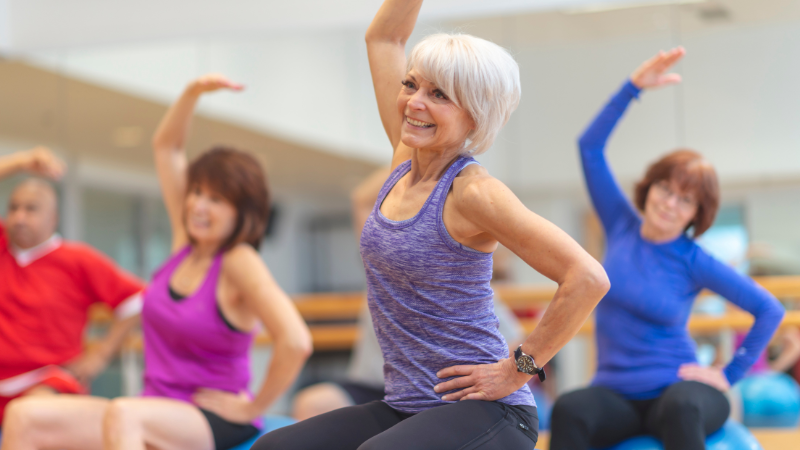
As you age, your body undergoes several changes. However, research has found that many aspects of physical health improve with age. With proper exercise and a healthy diet, many people over the age of 65 experience fewer chronic illnesses and a better quality of life than people in their twenties or thirties.
Bones and Muscles
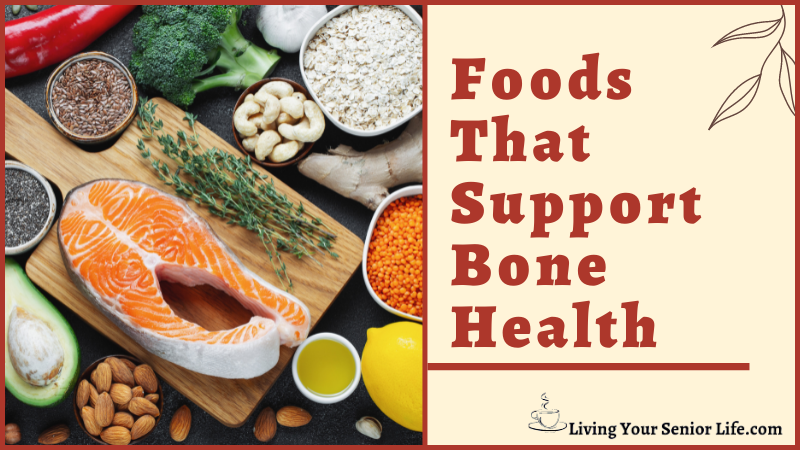
As you age, you may experience a loss of bone density, which can lead to osteoporosis and an increased risk of fractures. However, regular physical activity, including muscle-strengthening activities, can help maintain bone density and muscle mass. This can reduce the risk of falls and fractures and improve balance.
Cardiovascular Health
Physical activity can also help maintain cardiovascular health and reduce the risk of heart disease, high blood pressure, and high cholesterol levels. Exercise can also help control blood sugar levels and reduce the risk of diabetes.
Vision
As you age, your eyes may become more susceptible to age-related diseases such as cataracts and macular degeneration. However, regular eye exams and a healthy lifestyle can help maintain good vision.
Emotional Benefits of Aging
With age comes a greater understanding of your body and taking care of it. You become more conscious of your diet and lifestyle choices. You understand the importance of exercise and learn how to care better for your body, which may be absent in younger people.
Greater Emotional Control
As you age, you develop better emotional control. Your emotions tend to become more stable and predictable, making you better able to recognize when your emotions are getting out of hand and take steps to regulate them. You become more aware of your triggers and understand why you may be feeling a certain way. This can lead to greater emotional well-being and a better quality of life.
In summary, aging can bring many physical and emotional benefits. Regular physical activity, a healthy diet, and regular health check-ups can help maintain physical health and well-being. Greater emotional control and a better understanding of your body can lead to greater emotional well-being and a better quality of life.
Financial Benefits of Aging

As you age, you become eligible for a variety of financial perks. Government programs like Medicare, Medicaid, and Social Security provide seniors with health insurance and a subsistence income. Although Social Security may not be enough to cover your lifestyle, it can still help with expenses.
Many companies offer senior discounts, ranging from restaurants and entertainment to travel and more. Be sure to ask if any senior discounts are available when making purchases.
As you gain more life experience, you also become more financially savvy. You learn how to manage your money and investments better. You become more aware of the importance of saving and budgeting, and you better understand the risks and rewards of different investments.
As you age, it is important to have an emergency fund to protect your wealth. Many people become more mindful of this as they age and better understand how to manage their finances.
Opportunity to Pursue Your Dreams
As you age, you have the opportunity to pursue your dreams and passions. With more freedom and flexibility, you can make better decisions about how to spend your time and energy. Here are some ways to explore your passions:
- Travel: Have you always wanted to see the world? Now is the perfect time to travel and experience new cultures.
- Learn a new language: Learning a new language can be challenging, but it can also be incredibly rewarding. It can open up new opportunities for personal and professional growth.
- Pursue a new hobby: Whether it’s painting, gardening, or playing an instrument, pursuing a new hobby can bring joy and fulfillment to your life.
- Take up leadership roles: Growing older can open up opportunities to take on leadership roles within your community. You can use your experience and skills to make a positive impact.
Remember, it’s never too late to pursue your dreams. Embrace the opportunities that come with aging and make the most of them. As a society, as our life expectancy rises, we are afforded more opportunities to pursue our dreams.
Tips for Aging Gracefully
Aging gracefully is a process that requires effort and care. Here are some tips to help you age gracefully:
Stay Active:
Exercise is essential for keeping your body and mind healthy. Find an activity you enjoy, and make it a part of your daily routine. Regular exercise can help you maintain a healthy weight, reduce your risk of chronic diseases, and improve your mood.
Eat Healthily:
Eating a balanced diet can help you maintain your energy and overall health. Make sure to eat plenty of fresh fruits and vegetables, whole grains, healthy fats, and lean proteins. Limit your intake of processed foods and sugar.
Take Care of Your Skin:
As you age, your skin becomes thinner and more fragile, making it more susceptible to wrinkles and other signs of aging. Protect your skin by wearing sunscreen, moisturizing regularly, and avoiding tobacco and alcohol.
Get Regular Check-Ups:
Regular check-ups with your healthcare provider can help you stay on top of your health and catch any potential problems early on.
Stay Connected:
Maintaining relationships with your family and friends can help you feel connected and supported. Make time for the people you care about, and stay connected with them.
Laugh Often:
Laughter is a great way to reduce stress and boost your mood. Make time for activities that make you laugh and smile, and have a healthy sense of humor.
FAQs
How does life improve with age?
Life can improve with age in many ways. Older adults often have more financial stability, more free time, and more opportunities to pursue their interests and hobbies. They may also have stronger social connections and a greater sense of purpose, which can lead to greater happiness and fulfillment.
What are some hidden benefits of aging?
Some hidden benefits of aging include increased wisdom and emotional intelligence, as well as a greater ability to cope with stress and adversity. Older adults may also have a greater appreciation for life and a deeper sense of gratitude for the people and experiences in their lives.
What are the perks of growing old?
The perks of growing old include increased wisdom and life experience, as well as the freedom to pursue your passions and interests. You may also have more time to travel and explore new places, as well as stronger social connections and a greater sense of purpose and fulfillment.
Additional Reading
Conclusion
As you grow older, you gain a better understanding of yourself, others, and the world around you. This can lead to greater peace and fulfillment in your life. You start to focus on the things that truly matter, such as your family and friends, instead of external possessions or status. Relationships with others become deeper and more meaningful, as your experience, wisdom, and social skills help you to understand people better. This can create a more fulfilling and satisfying relationship with the people around you.
Getting older is inevitable, but it doesn’t mean you have to dread it. Embrace the journey and try to enjoy the changes that come with age. Remember that there are many advantages to getting older, such as increased resilience, a more positive outlook on life, and programs like senior discounts and social security. So, make the most of your life at every age and enjoy the journey.
What are your thoughts on aging? Have you experienced any advantages of getting older? Please comment below.