Welcome to Living Your Senior Life, where we provide you with the latest information and insights to help you live your best life. Today, we’ll be exploring the world of mobility scooters and how they can help you enhance your independence and mobility.
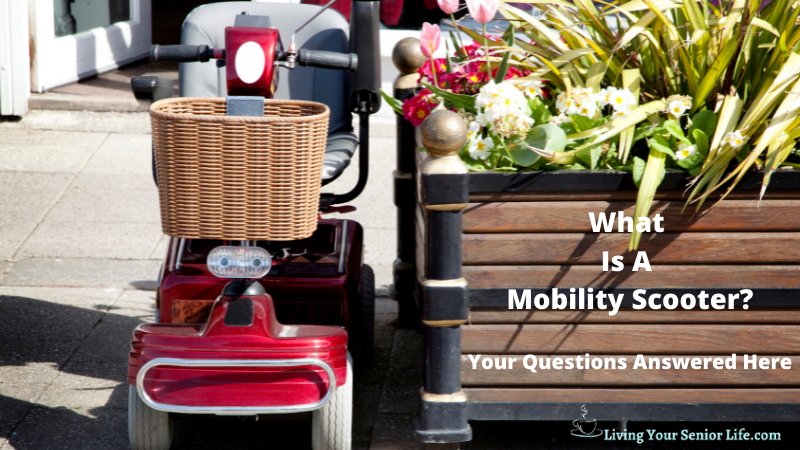
If you’re not familiar with mobility scooters, you may be wondering what they are and how they work. In this article, we’ll be answering these questions and more, so you can make an informed decision about whether a mobility scooter is right for you or a loved one.
Key Takeaways:
- Mobility scooters can enhance independence and mobility for seniors and individuals with disabilities.
- It’s important to choose the right mobility scooter based on your needs and preferences.
- Proper care and maintenance, as well as following safety guidelines, can help ensure a safe and enjoyable experience with your mobility scooter.
Video: What Is A Mobility Scooter?

What Is A Mobility Scooter?
A mobility scooter is a type of battery-powered device that is designed to help people with limited mobility get around. These devices are typically equipped with three or four wheels, and they can be used both indoors and outdoors. Mobility scooters are often used by people who have medical conditions or difficulties walking, such as those with arthritis, heart disease, or lung problems.
What Is A Mobility Scooter Used For?
A mobility scooter is an electric vehicle that provides increased mobility for people who have difficulty walking. It is often used by older adults or people with disabilities, both indoors and outdoors. Mobility scooters not only offer convenience, but they also help people maintain their independence and connect with their loved ones. They are an excellent solution for those who want to remain active and engaged in physical activity while ensuring accessibility. Whether in a park or indoors, mobility scooters allow for easy movement and increased mobility.
Why Should I Get A Mobility Scooter?
There is no one definitive answer to this question, as the reasons for needing a mobility scooter may vary from person to person. However, some of the most common reasons people require a mobility scooter include difficulty walking long distances and impaired balance.
Mobility scooters are also a cost-effective alternative to other forms of mobility assistance, such as wheelchairs. With a mobility scooter, you can experience improved quality of life, performance, and satisfaction. Many reviewers have praised mobility scooters for their quality and ease of use, making them a great choice for anyone in need of mobility assistance.
Who Can Benefit from a Mobility Scooter
Seniors and Mobility Challenges
As you age, mobility challenges may arise, limiting your ability to move around freely. Mobility scooters can be a life-changing tool for seniors, providing a renewed sense of independence. With a mobility scooter, you can continue enjoying life on your terms, without having to rely on others for assistance.
People With Medical Conditions and Disabilities
In addition to age-related challenges, various medical conditions and disabilities may also require the use of a mobility scooter. Mobility scooters can be particularly helpful for individuals with joint pain, arthritis, or other disabilities that affect their ability to walk or use other mobility aids like crutches, walkers, or canes.
Who Can Use A Mobility Scooter?
Most individuals who experience difficulty walking can use a mobility scooter, but it’s important to consult with your doctor before using one to determine if it’s suitable for you. While a mobility scooter can be a great option for those with limited mobility, the driver must still be able to steer and stop the scooter. Both electric wheelchairs and manual wheelchairs are alternative options to consider.
Safety Guidelines
When operating a mobility scooter, it is important to prioritize safety. To ensure a safe ride, familiarize yourself with essential safety tips and abide by local regulations. Mobility scooters are generally safe when used as directed, but they can be dangerous if not used correctly. Always pay attention to your surroundings to avoid running into objects or falling off the scooter.
It is crucial to note that mobility scooters are not designed for use on busy streets or highways. Before using your scooter, carefully read the manufacturer’s instructions to ensure proper use. Additionally, make sure your scooter has proper tires, clearance, ground clearance, lights, headlights, ramps, horns, turn signals, and flags to ensure a safe ride.
What Can Go Wrong With A Mobility Scooter?
When using a mobility scooter, it’s important to be aware of potential issues that may arise. The battery may die or a part may malfunction, causing the scooter to break down. To avoid this, make sure the battery is fully charged before heading out. It’s also a good idea to carry a phone with you in case of any trouble. Being prepared can help prevent being stranded.
3-Wheel vs. 4-Wheel Scooters
Next up, let’s talk about the number of wheels. 3-wheel and 4-wheel mobility scooters each have their advantages and drawbacks. The former excels in maneuverability, while the latter provides enhanced stability. Your choice depends on your lifestyle and specific requirements.
3-Wheel
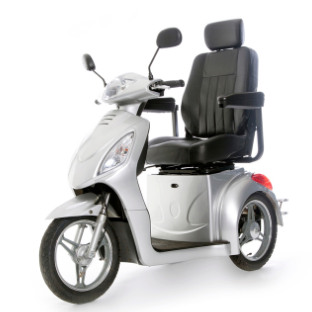
If you are looking for a scooter with excellent maneuverability, a 3-wheel scooter is the way to go. They are perfect for indoor use and can fit into smaller spaces. They also have a sharper turning radius and more legroom due to the absence of the 2nd wheel in front. However, they are not as stable as a 4-wheel scooter and are usually lighter with a lower price point.
4-Wheel
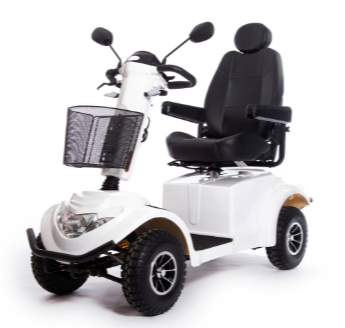
If you need a scooter for outdoor use and uneven terrain, a 4-wheel scooter is a better option. They are less maneuverable than 3-wheel scooters and have a larger turning radius. However, they provide a broader stability and are heavier with a higher price point.
Travel Mobility Scooters
For those who are always on the go, travel-specific scooters are the perfect solution. These scooters are compact, lightweight, and easily portable. They are tailored for those who want to maintain their active lifestyle without any compromise. Travel scooters are available in both 3-wheel and 4-wheel options and come with features such as foldable design, front and rear suspension, and a rugged build. They also have a decent travel range and are available in heavy-duty models for those who need more weight capacity.
How Do I Choose The Right Mobility Scooter?
Choosing the right mobility scooter requires a self-assessment of your individual needs. Consider the weight capacity of the scooter and the weight of the person using it, the terrain you will be using it on, and whether you will need to transport it. You should also consider the price and the features of the scooter.
Some key features to consider include lightweight and comfort, models from brands like Pride Mobility, Drive Medical, Golden Technologies, and iLiving, as well as accessories like adjustable armrests, cup holders, baskets, and saddlebags. Other important factors to consider include portability, legroom, and low-profile steering columns.
Proper Care and Maintenance of a Mobility Scooter
Maintaining your mobility scooter is essential to ensure its longevity and optimal performance. Regular care not only extends the life of the scooter but also enhances safety and reliability. Start by checking the battery regularly, ensuring it’s charged and connections are secure. Inspect the tires for wear and tear, and maintain the recommended tire pressure for a smooth ride. Keep the scooter clean, wiping down surfaces and ensuring that no debris interferes with moving parts. Regularly inspect the brakes and lights, as these are critical for safety.
If you encounter any issues, refer to the manufacturer’s manual for troubleshooting tips or seek professional assistance. By incorporating these routine maintenance tasks into your schedule, you’ll enjoy a dependable and efficient mobility scooter, empowering you to navigate your daily life with ease.
What About Insurance?
When it comes to using a mobility scooter, it’s important to be aware that not all insurance policies cover damages caused by them. To ensure that you are covered in the event of an accident, it is recommended that you check with your insurance company to see if your policy covers mobility scooters. If it doesn’t, it may be worth shopping around for a policy that does.
How Much Do Mobility Scooters Cost?
Mobility scooters are available at a wide range of prices, typically ranging from $800 to $5,000 or even more. You can purchase them from medical supply stores, online retailers, or catalogs. If you only need a mobility scooter for a short period, you may want to consider renting one from a hospital or medical supply store. Some insurance companies may also cover the cost of renting a mobility scooter.
FAQs
Can I Ride A Mobility Scooter On The Road?
In most cases, mobility scooters are not allowed on the road. They are designed for use on sidewalks, footpaths, and other pedestrian areas. However, some areas may allow mobility scooters to be used on the road if they meet certain requirements, such as having lights and reflectors.
What are the weight limits for mobility scooters?
The weight limits for mobility scooters vary depending on the model and manufacturer. However, most scooters have a weight capacity of around 250-350 pounds. It is important to check the weight limit of the scooter you are interested in before purchasing to ensure it can accommodate your weight.
What features should I look for when buying a mobility scooter?
When buying a mobility scooter, there are several features you should consider. These include the weight capacity, battery life, turning radius, speed, and comfort features such as adjustable seats and armrests. It is also important to consider the terrain you will be using the scooter on and whether you will need a model with larger wheels or better suspension.
Additional Reading
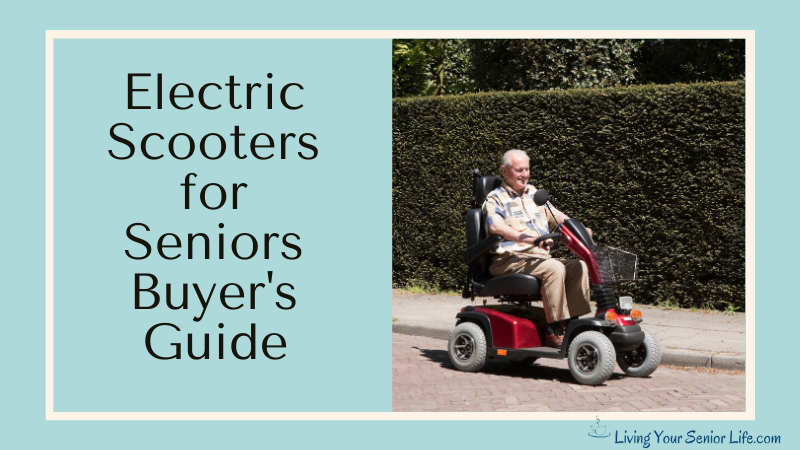

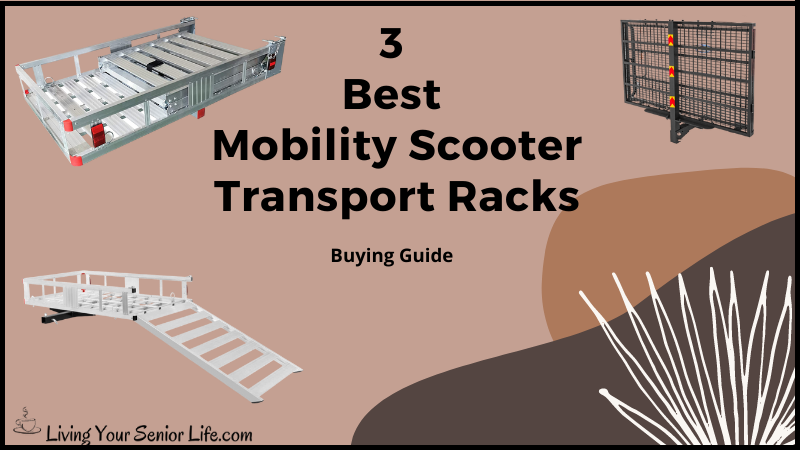
You May Also Be Interested In: Challenger Mobility Scooter Trailer – Review
Conclusion
In summary, a mobility scooter can be a life-changing device for seniors and individuals with limited mobility. The lightweight, portable, and energy-efficient device can help ease daily routines and provide newfound independence. Mobility scooter users have reported positive effects on their lives, including the ability to perform activities independently.
Mobility scooters can be safe, easy to use, and can be used both indoors and outdoors. They can be an excellent way for individuals with limited mobility to get around.
If you are interested in purchasing a mobility scooter, it is important to research your options and compare prices. Consult with your doctor to determine if this type of assistance is right for you. Cheers to embracing the golden years with grace and mobility!
If you have any experience with mobility scooters, please share in the comments below.